
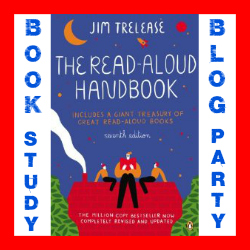
I am thoroughly enjoying the summer book study of “The Read-Aloud Handbook: Seventh Edition” by Jim Trelease. It hits me as both a parent and a teacher. I can relate to some of the questions that parents ask of Mr. Trelease about reading aloud to children … AND it reaffirms that all the reading aloud that I have done in the classroom and with Book & Boogie really does make a difference.
As a parent
I have 3 children of varying stages of their growth (elementary, high school and *GASP* heading off to college). One common thing I did with each, we started reading to them all as infants. It was a quiet and relaxing way to end the day and created a predictable routine for bedtime. I love when Mr. Trelease describes how “the love of reading [is] nurtured by these parent-child experiences“, and that it helps to build a child’s verbal skills as the child grows.
The downside of my experiences with reading to my children, is in making the mistake that once they get to the upper elementary grades; the reading before bedtime routine became more of an individual activity for them (rather than a shared parent-child activity).
“But reading alone and reading aloud are not mutually exclusive.” — [pg 63]
What a missed opportunity! Mr. Trelease so obviously points out that …
“…kids usually listen on a higher level than they read.”
This is my “Duh” moment! Of course they do! How much of our conversations with children involve words and language that they verbally understand, but may not be able to read for themselves when written on paper?
“Listening comprehension feeds reading comprehension.” — [pg 67]
Mr. Trelease has some excellent examples of how this works in his book. And it has challenged me as the busy parent to make reading aloud to my youngest a priority again, rather than just something we do on occasion. [And we have had the perfect opportunity to do that this summer with the Summer Book Exchange we participated in.]
As an educator
Mr. Trelease talks about how children’s attention spans for reading time is based on their experience with books. So as educators, the more opportunities we give children to experience story time (either as a large group, small group or one-on-one) … their attention span for that activity will grow. So yes, it IS important to attempt to read to that group of restless preschoolers!
Follow the book study
Read the Chapter 2 review over at Pre-K Pages … and feel free to share your thoughts or personal stories about when to start and end reading aloud in the comments below. Bloggers can also link up using the linky below!
I have also put together a post with a timeline for the book study, so check that out as you read along with us!
A question that was discussed in Chapter 2 about what do you do with the children who get bored when you read a book and start to move away from the circle and start to bother other children. I teach Pre-K. His response was that it is obvious that the children that do that have not been exposed to language when they were very small. I had a couple students this past yr that will say” Oh another story, I want to go play”! Often it is the younger children that struggle to sit still. I thought maybe this summer I would make a few story bags with props to share before the story.. Any suggestions on this?
Rebecca .. that is a great question! And yes, many young children struggle to sit still for a story.
My first suggestion to try, especially at the beginning of the year … is to introduce SHORT story sessions. In building up their attention span, they need to be exposed to books and read-aloud story times over time. And if some of them are not having this exposure at home, it will take longer, as the author shows an example of in his book. So, I’d pick really short stories for the beginning of the year.
And if the opportunity is available, you can try breaking up story time with smaller groups of children at a time. Sometimes, children are distracted by a large group … if you can break the story sessions to sometimes be in smaller groups, that may help.
Another thing we try to do sometimes if the group is really restless is to do a movement activity BEFORE we sit down for the story. This can really be helpful in getting them to settle down for a story. When we do Book & Boogie, we start off with a music and movement “warm-up”, before reading the first story. After the first story, we do another music and movement that relates to the story. We can do a 30 minute session that includes 2 stories because we break it up with the movement activities in between. But for toddlers and younger 3’s, we would reduce it to 15-20 minutes until they build up their attention span.
Your idea to make up some story bags with props is a good one. Using props, puppets, sound effects can all add to the story to gain a child’s interest.
Hope these suggestions are helpful …. would love to hear more suggestions from others! Thanks for your question!
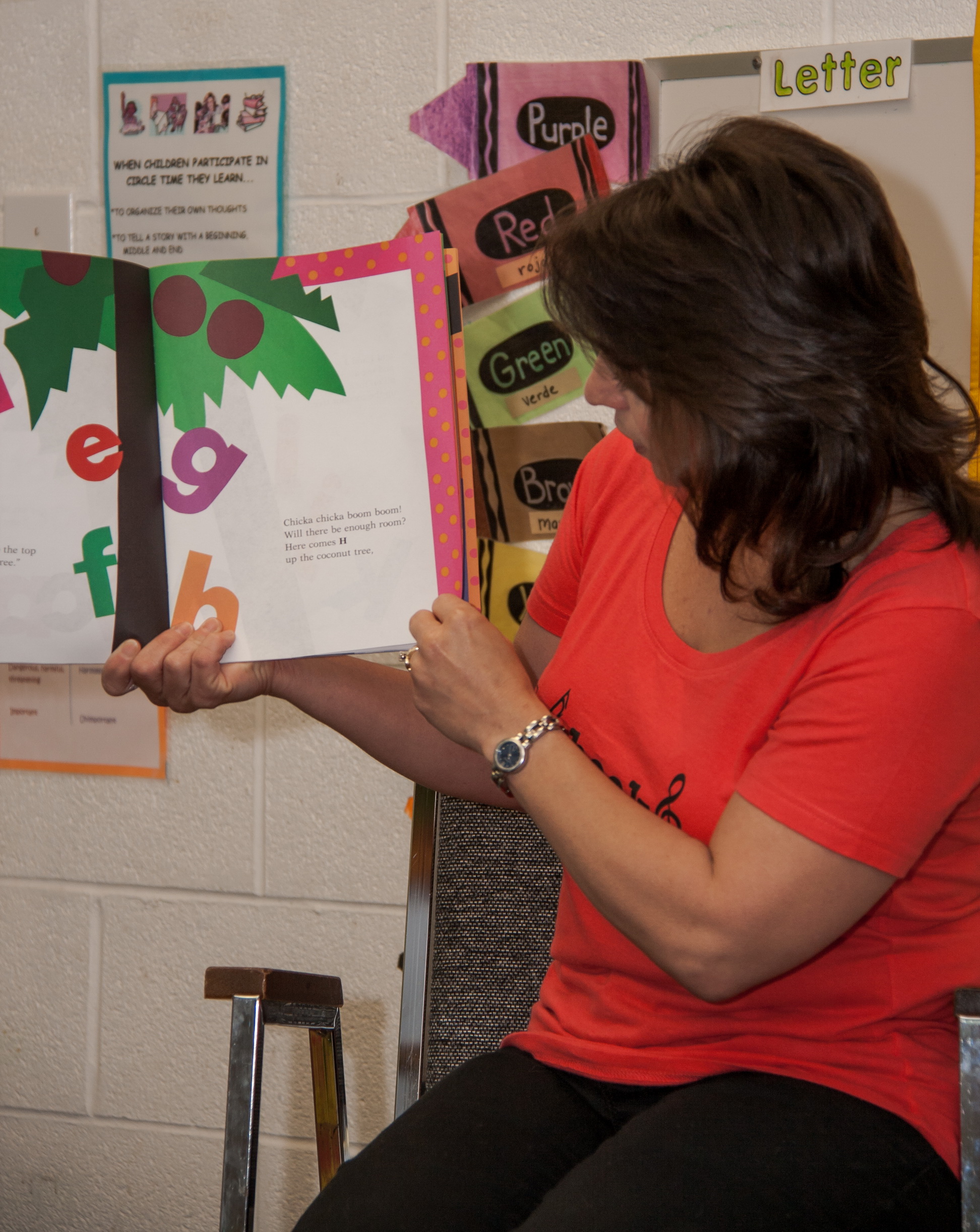
Great insight Laura! I couldn’t agree more, it’s so important to read aloud to young children. If they are restless change your approach to make it more inviting and interactive. In your picture you are reading Chicka Chicka Boom Boom, one of my personal favorites. I always read this one the first few days of school. One idea for increasing engagement for this particular book is to give each child a magnetic letter and as you read the story have them come up and place their letter on the tree as it is introduced. I use a homemade magnetic chicka chicka tree, you can find the directions for making it here: http://www.pre-kpages.com/abcenter/ Or you could use a flannel board with flannel letters.
Thanks Vanessa! And Oh my gosh … I LOVE the magnetic alphabet tree! What a great idea to put in your literacy center after reading the story for children to revisit. Even on the fly, teachers could use sticker letters while reading this story or any story with the alphabet (such as http://theseedsnetwork.com/seeds/search_result.php?i=299) to make it more interactive.
I love the insight and examples the author uses in this chapter relating to how much exposure a child has to something directly correlating to their attention span for the activity. It totally makes sense, but as teachers and parents we might not think of that in our day to day interactions with our kids. Definitely something to keep in mind with ANY activity we are trying to teach our children.
The listening level vs reading level discussion really hit me. While I will continue to use “easier” books in some of my read-alouds with my first graders, I’ll also look for higher level books to read to them – to push that vocabulary and language development at a higher “listening” level. He’s really stimulating my thinking in each chapter.
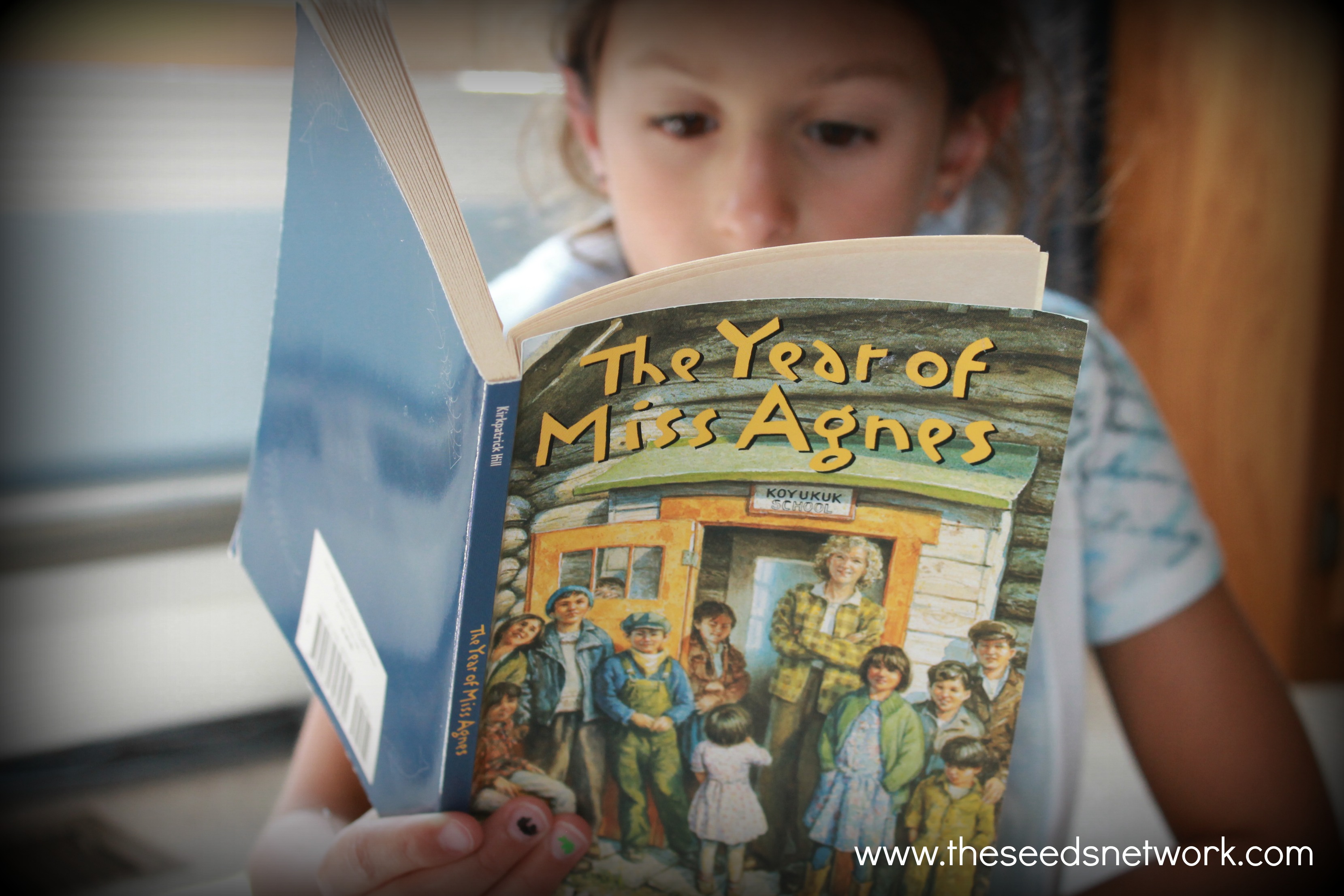
That really hit me as well, Scott! Particularly with my own 3rd grader … and when we did the summer book exchange and she got a book that she struggled with a bit to read on her own … she was VERY engaged and retained the story when I read it out loud to her. And she’d stop me and ask what certain things meant, whereas if she read this on her own, she would have probably skipped that word and not learned it’s meaning. This book has been great so far!!
I have thoroughly enjoyed ‘listening’ and reading to the comments. In my capacity as a language teacher to young children and to adults who are taking a degree program in Early Childhood Studies, the greatest hurdle, I encounter is getting my students to want to read or to enjoy reading. And personally think that the root of the problem begins from the ‘root’ itself. It is either we rush them too soon in the early years to learn ‘how to bark at prints’ or we don’t encourage them to read at all resulting in the inability to understand what being read or completely having a profound distaste in reading. Greetings from Malaysia
Thanks for sharing your thoughts, Penny … you bring it back to basics in that the whole point is helping children develop a LOVE for reading. Children (and adults) will only choose to spend time doing things they enjoy. The book points out several times that reading aloud to a child while they are young and continuing to do it as they grow will associate reading with a pleasurable activity! 🙂