The Summer Book Study Guide | The Read-Aloud Handbook

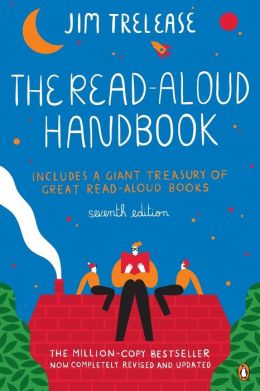
The summer book study of “The Read-Aloud Handbook: Seventh Edition” by Jim Trelease, is underway!  To learn about how the book study works, view our earlier post.

Use the guide below to find the Chapter Reviews and special author Q&A posts.

read-aloud-book-study-button

The Book Study Chapter Review Guide

Q&A with Jim Trelease

To join in on the Book Study discussion, write a comment below this post, or link up your Book Study blog post using the linky below.

Join the summer book study of The Read-Aloud Handbook

We are again looking forward to participating in a summer book study, hosted by Vanessa at Pre-K Pages! Our book for this summer’s study is “The Read-Aloud Handbook: Seventh Edition” by Jim Trelease, which will provide teachers, parents and caregivers with insights on the value of reading aloud, tips on ways to read aloud, and (YAY!) a list of great read aloud books!

read-aloud-book-study-button

The book study allows readers to follow along as several childhood bloggers post a summary and their thoughts on each chapter throughout the summer, and readers can join the discussion through comments.

WHEN DOES IT START?

The book study starts on July 8, 2013 and will continue each week with a chapter review by one of our fellow bloggers.

HOW DOES IT WORK?

Beginning July 8, bloggers will be posting chapter reviews twice a week. You can join the discussion by following the participating blogs, and leaving comments about any thoughts or questions that you have. If you have a blog, you can also participate by linking up your posts on the linky.

SOUNDS GREAT! WHAT BLOGS SHOULD I FOLLOW?

Here is a list of the bloggers who will be hosting the chapter discussions:

• Deborah Stewart of Teach Preschool
• Karen Cox of Prekinders
• Laura Eldredge of The SEEDS Network
• Vanessa Levin of Pre-K Pages
• Matt of Look at My Happy Rainbow
• Scott Wiley of Brick by Brick

WHERE CAN I FIND THE BOOK?

The Read-Aloud Handbook: Seventh Edition” will be published on June 25, 2013 and can be pre-ordered at Barnes & Noble and Amazon. Learn more about this book and why it was chosen for the study at Pre-K Pages. We hope this will gets you even more excited for the summer!

Children’s books about Earth Day

Here are a list of good books you can read to the children in your home or classroom in celebration of Earth Day, or anytime you want to talk about recycling and conservation.
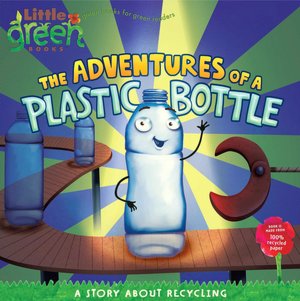
The Adventures of a Plastic Bottle
This book follows how plastic bottles are made, how they get recycled, and some of the things they can be recycled into.

The EARTH book
This book illustrates ten simple ways the children can help take care of the earth!
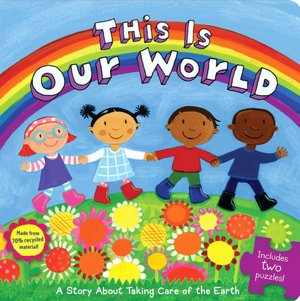
This is our world
This book takes children on an interactive journey while learning to clean the air, reduce pollution, recycle, and more. Nine double-sided puzzle pieces are included in this book so kids can create two different puzzles!!
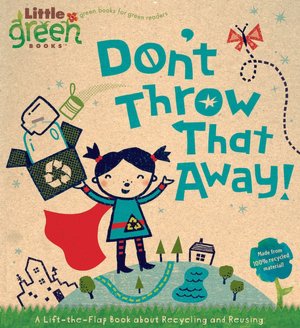
Don’t Throw that Away
This book follows an eco-conscious super hero as he teaches kids how to recycle and reuse common household items! The five large flaps throughout show that oridinary trash is really a treasure.


The list of books listed below can be found through a BareFoot Books seller  You can find these at www.smk.barefootbooks.com.

The Barefoot Book of Earth Tales
Learn how different cultures around the world set out to live in harmony with the natural world. The seven folk tales are each followed by a hands-on activity that promotes green living and reinforces the eco-messages of the stories.
Ages 5 to 11 years

My Mama Earth
Watch the wonder experienced by a small child journeying through the world and round the day taking in the many magnificent aspects of nature. This imaginative and lyrical picture book showcases the love between a mother and child, celebrating the ever-changing beauty of the natural world along the way.
Ages 1 to 7 years

Whole World Mini Edition
Connect with the whole wide, wonderful world with this green book that rejoices in the marvels of our environment. The catchy rhyme in this new take on a traditional spiritual begs to be sung aloud. Includes lots of facts about the Earth’s eco systems and tips on how to be eco-conscious.  Includes CD sung by acclaimed children’s performer Fred Penner.
Ages 3 to 7 years

Whole World Fun Eco Activities
Enjoy some eco-fun with the games, puzzles, art activities and quizzes in this earth-friendly activity book. The fun is enhanced by tips on how to look after the environment, and the pages are printed on 100% recycled paper.
Ages 3 to 7 years

The Sun in Me
Listen to the soothing patter of a summer rainfall, watch the first flames of the rising sun, and sing with the stars as you travel through this enchanting anthology of nature poems. Poems from many different cultures are brought together here to celebrate the beauty and fragility of our lovely Earth.
Ages 3 to 11 years

Yoga Planet
50 Fun Activities for a Greener World

Try out each of the fifty poses and games in this interactive deck to feel connected to the Earth’s elements. Written by Yoga Ed., each of the cards is in line with one of the planet’s natural elements: air, earth, fire, water and space.
For all ages

Natural Child Gift Collection
Share the message of living in harmony and appreciating our fragile planet! Featuring the paperback edition of Whole World with music CD, the hardcover edition of The Barefoot Book of Earth Tales, and card deck editions of Kids’ Garden, Kids’ Kitchen, Yoga Planet and Yoga Pretzels –all packaged in a beautiful, colorful canvas tote bag with gift tag.
For all ages

Barefoot Books World Atlas
Embark on a mind-expanding journey across the planet. Your guide is earth enthusiast and TV presenter Nick Crane. Your map-maker is artist David Dean. Divided by geographical region, the Barefoot Books World Atlas looks at the way in which communities and cultures across the world have been shaped by their natural environment, and at the ideas and initiatives which are shaping the future. An atlas for the twenty-first century, it shows how all parts of the planet are interconnected and looks at the challenges which face us all in creating a sustainable future.
All Ages
Planning Field Day in preschool (PART 2)

We continue to provide some resources for those planning an outdoor a Field Day event, here the children rotate through a variety of gross motor activities and spend most of the morning outside playing and working together.  It is a great day, but definitely requires planning to make sure it goes smoothly.

FieldDay2

We put together some of our tips for planning a successful Preschool Field Day (PART 1), and now we have some additional planning sheets so you can think about how to organize your staff for the day.

SCHEDULING THE DAY

We schedule each activity station rotation to last no longer than 20 minutes and keep the kids moving.  We keep in mind the attention span of preschoolers for any given activity – and 20 minutes is more than enough time to play each game/activity and then get to the next station.

STAFFING 

This is an “all hands on deck” type of morning!   Here are the different roles we have for our Field Day staff:

1) ACTIVITY LEADERS – Plan for and run an activity station.  We have each of our head teachers from each class plan an activity (such as a water balloon toss, obstable course, etc.).  The activity leaders plan the activity, gather materials and run the station for the morning.

2) TEAM LEADERS – Take small groups of children to each of the activity stations throughout the morning.  Depending on the size of the group, you may need to have a Team leader AND an assistant, to stay in proper adult-to-child ratio.

3) FLOATER(S) – Take care of any needs throughout the day (help with bathroom trips, getting extra water, get ice packs, etc.)  Depending on the size of your program, you should plan to have 1 or 2 extra people who are available to run errands.  Have walkie-talkies for all staff members to communicate with each other and the floaters.

4) PARENT VOLUNTEERS – Include family members in your Field Day event by asking them to volunteer for various jobs.  Parent volunteers can help out by taking care of the snack station, or assisting activity or team leaders.  Remember to note that for most programs, a parent volunteer cannot be counted as a staff member when considering the adult-to-child ratio – so utilize your volunteers in a role that supports the existing staff.

Click here to view our schedule and staff planning sheet.

You will note in the rotation schedule, that at certain times, activity stations will not have any children for a 20 minute period.  This provides a built-in opportunity for Activity leaders to take a bathroom or water break, reset their station, or provide assistance to other stations, as needed.

ASSIGNING CHILDREN TO TEAMS

What we have done and found to work well at our school is to create mixed age groups of children (3-5 years).   Teachers assign children from their classes into teams – and we mix up the classes so the children are on a team with some of their classmates, but also get to meet and work with children from the other classes.  This has helped to promote teamwork and less competitiveness, and children get to play with some new friends!

The planning sheet below also doubles as an attendance sheet for the Team leaders on the day of your event.  Team leaders should be sure to take attendance, always know how many children are in their group, and be aware of any allergies or special needs (which should be highlighted right on the sheet, see sample sheet below).

Click here to view our TEAM planning sheet

Note for our planning sheet, we allow for a Team of up to 10 children (you can adjust to the size of your program and staff availability).

And remember to HAVE FUN on Field Day, and enjoy a day outside with your preschoolers!

Going on a shape hunt in preschool

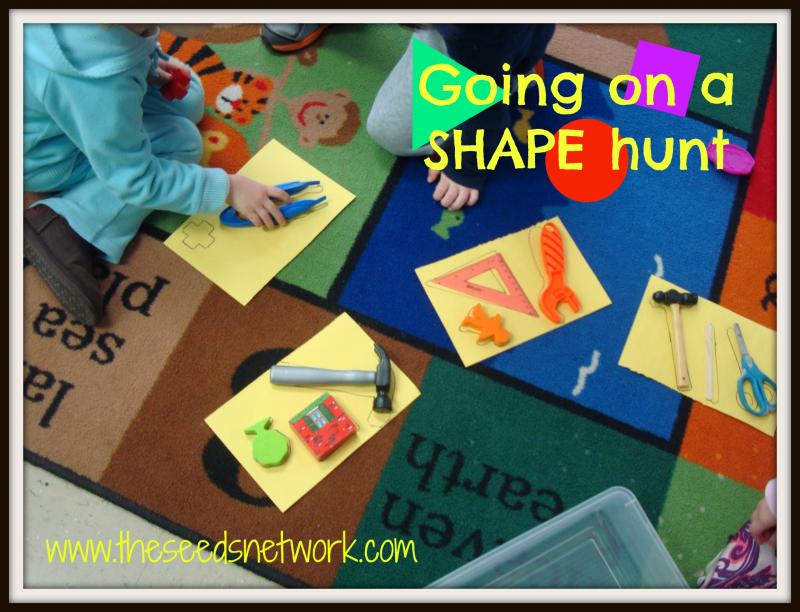
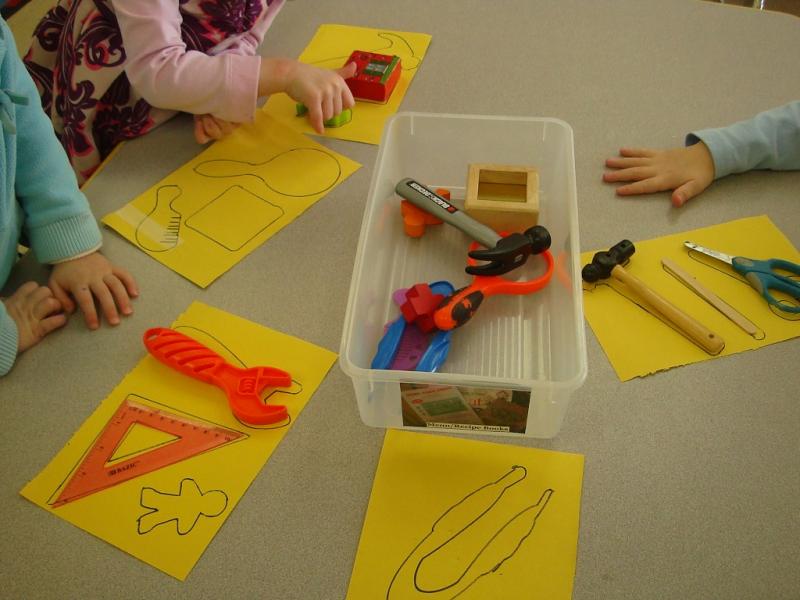
Here’s a simple and fun activity we did with our preschoolers to help learn about the shapes of objects throughout our classroom.  We took them on a <strong>SHAPE HUNT</strong> by creating outlines of various objects around the room onto some construction paper.  For our 3 year olds, I put 3 shapes per paper, and each child had their own paper.  Before sending them on their hunt, I held up some of the papers and we talked about what objects <em>might</em> fit into the outlines.

Then I sent them off to search around the room to find the objects that would fit into each of those shape templates.  They had to figure out which 3-dimensional shape will fit onto the 2-dimensional outline.

If they needed hints along the way, I would give some clues like “<em>one of your shapes can be found in the art center</em>” or “<em>one of your shapes might be used to build something</em>”.  They would then bring their items to the rug, and fit them onto their paper.  They then wanted to “do it again” – so we would then switch templates with their friends, and they would be off again.

Afterwards, we put all the items they found into a bin and set them on a table, and some children came over and used the outline sheets and materials like a puzzle – trying to fit all the objects onto the template sheets.

It was a simple activity, yet it allowed the children to explore the size and shape of things in their classroom … problem-solving what would fit and what wouldn’t.