Tips for incorporating the CT Early Learning and Development Standards

A couple of Fridays ago, I was invited to attend a training for Educational Consultants on the Connecticut Early Learning and Development Standards (CT ELDS).  As our state continues to encourage programs to use these standards, it is my job as a consultant to support programs when and where needed.  During our 6 hour training, great conversations around early education, teacher responsibility, and child development took place.  Hot topics that arose included continued challenges in bridging the gap between preschool and public school, and of course, the challenge of allocating proper planning time into program budgets.

As the CT ELDS continue to be introduced and incorporated into centers, there will be a time of transition.  Transitioning to something new can be challenging, however, with proper communication, time, and education it can be done.  As the training took place and discussions were had, I jotted down some tips that came to mind.  I hope you find these helpful in your quest to bring the CTELDS to your program.

Tressa’s Tips and Thoughts for incorporating the CT ELDS into your program …

  1. Implementing the CT ELDS will be a process that will take time for administrators and staff. As programs begin to transition to using the CT ELDS, it crucial that communication between staff AND families takes place.
  2. The CT ELDS are intended to better the growth of children age zero through five, stressing that all age groups are crucial to a child’s development.
  3. When beginning the implementation of the CT ELDS, it is important to reflect and acknowledge the areas in which the program is already meeting the standards. These acknowledgements can then become a spring board for further progression and improvement.  It will also provide self-reflection in regards to standards that are not being met.
  4. Provide staff time to discover similarities between their curriculum, the CT Preschool Framework, and NAEYC criteria. There are TONS of similarities!
  5. Encourage staff to plan experiences around specific CT ELDS. This will provide staff deeper meaning for that specific standard, and hands-on experience with specific learning progressions.
  6. Encourage staff to document progress; note how students are doing based on the CT ELDS, and look for ways to stretch thinking, plan and move through learning progressions. Use the intentional teaching cycle!
  7. Provide teachers time for opportunities to collaboratively create experience plans so they can talk through the progressions and help each other understand them, as well as brainstorm creative execution approaches.
  8. Try to steer away from teaching for assessment and steer toward helping children through learning progressions.

Have a specific question about how to implement CT ELDS?

Post a comment or email us!

Here are some helpful links!

CT Office of Early Childhood ELDS page:
http://www.ct.gov/oec/cwp/view.asp?a=4541&q=536726

CT ELDS:
http://www.ct.gov/oec/lib/oec/earlycare/elds/ctelds.pdf

CT ELDS with aligned Preschool Framework:  http://www.ct.gov/oec/lib/oec/earlycare/elds/ct_elds_and_paf_alignment.pdf

Creative Curriculum / CT ELDS crosswalk:
http://teachingstrategies.com/wp-content/uploads/2014/06/CT-CC-Alignment-Early-Learning-PS-2014.pdf
 

Zumba follow up

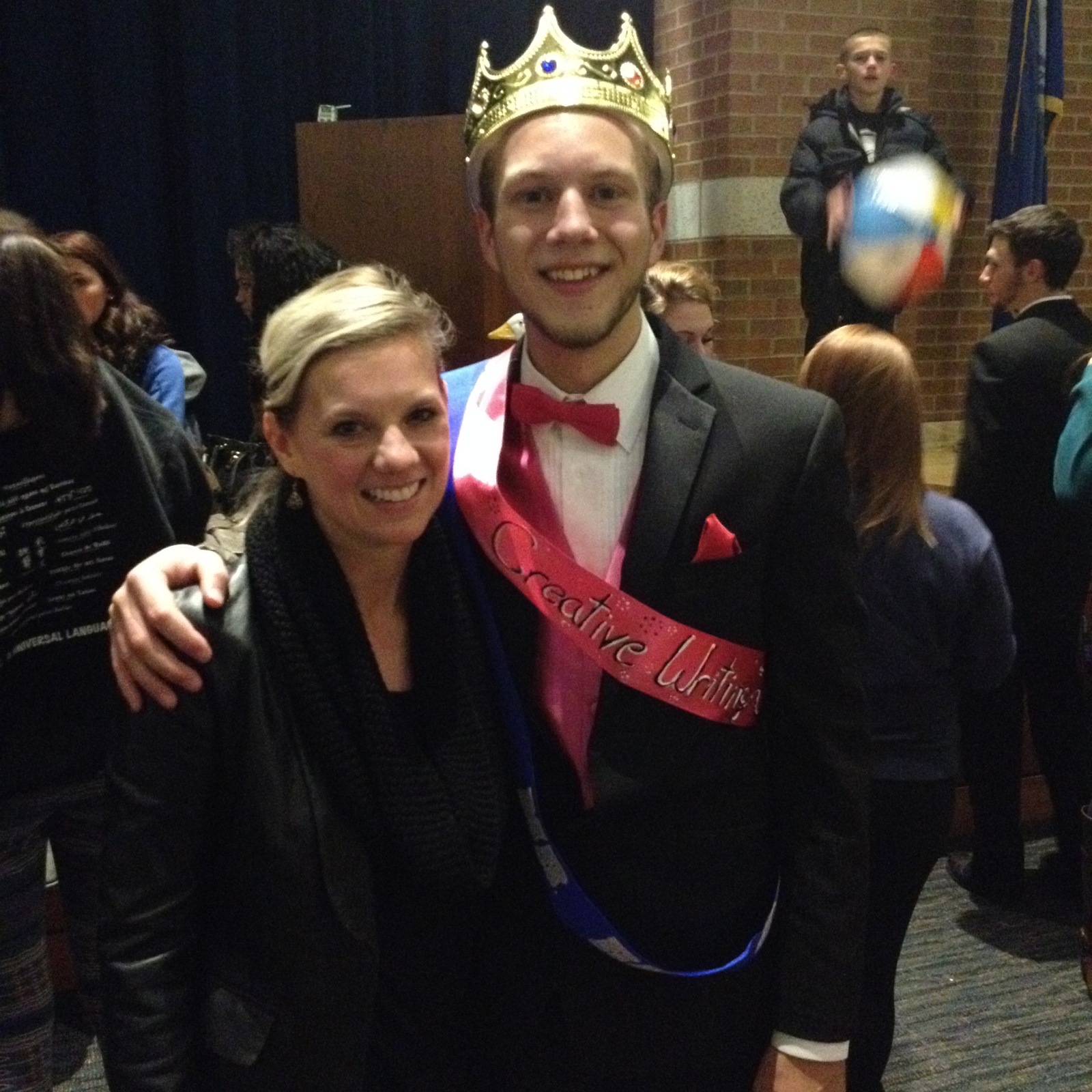
I am excited to report that Andrew WON the title of Mr. Rockville High School at this year’s annual fundraiser! Andrew got up in front of an audience filled with parents, teachers and peers and performed Zumba fitness for his talent.

With on stage backup from his friends and audience support from his fellow Zumba classmates, Andrew led the number with confidence and style. What a wonderful moment to watch this group of teens come together to support their friend!

Tressa with Andrew

Tressa with Andrew


Bringing Zumba ® to teens and staff

RHS

In March of 2014 I was asked to teach Zumba ® to teenagers at an area high school.  They were having an all-night volleyball “lock-in” fundraiser and needed some “entertainment” for students waiting for their team to play.  I agreed, but was feeling nervous.  I worked on my playlist for days, wanting to ensure I chose music that these teens were going to like.  My fear was that I would show up and no one would want to participate.  Even though I’ve been teaching dance and group fitness for years, I knew that Zumba ® for teens could go one of two ways…..GREAT or Epic Fail!

To my amazement Zumba ® was a HUGE hit.  The students enjoyed it so much, administrators asked me to stay an extra hour that night.  For two full hours, these kids danced, laughed, sang, and jammed.

Bringing the program to the school through a grant

A few weeks later school administrators asked if I’d be interested in teaching Zumba ® fitness to students and faculty on a regular basis after school.  They were applying for a grant that would support after school activities.  I agreed to this activity excited to offer the opportunity, but again nervous to see if students would actually come.

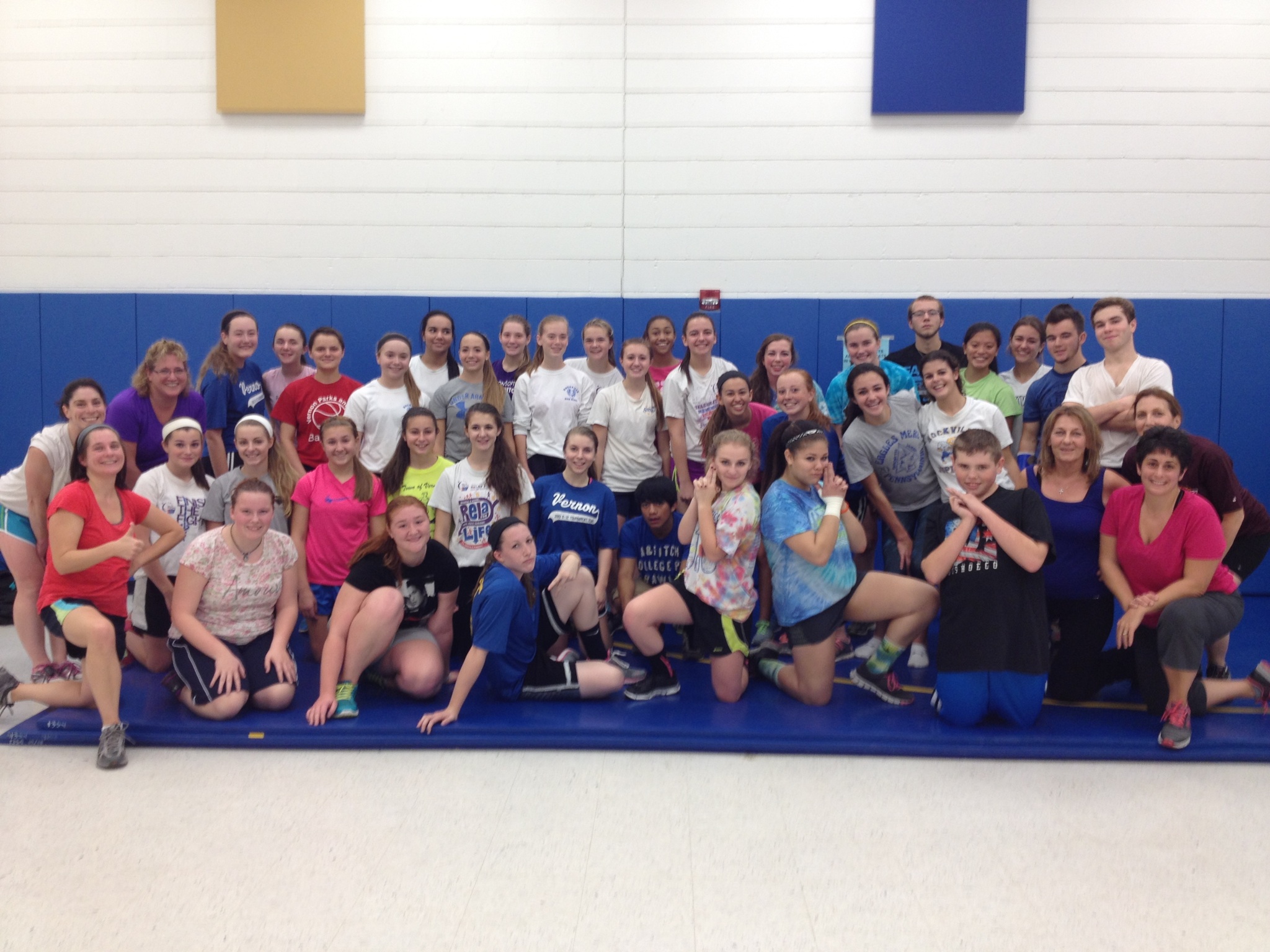
Again, to my surprise, students and faculty filled the room week after week!  The program was catching on in a big way and students from all “cliques” were coming to join the “party.”  The program which ran April through June continued to grow and grow each week.   I was even invited to the Senior Class’s all night safe grad party by request from the students!

Zumba ® fitness as an after school activity

By the start of the new school year school, administrators and the school’s principal were certain that offering Zumba ® fitness to their students was a great thing.  For one, it gives them an after school activity that is an alternative to sports.  Second, it provides all students with a non-threatening, no judgment zone to express and release stress.  It provides physical activity in a party-like-atmosphere….and who doesn’t like to party!  It brings teachers and students together on the same level…everyone learning together.  Furthermore it allows students to see their teachers in a new light…having fun and exercising.  It builds relationships, brings people together and provides a safe and controlled activity for all who are involved.

Evolving the Zumba ® program after school

Zumba ® continues to evolve at this school.  This year school administrators were able to obtain funding to provide bus transportation home after the activity which is wonderful for students who may not have a ride home from a parent or friend.  Students who have missed PE classes and choose to make the class up can now do so at Zumba ® which is helping students improve their PE grades.

Each week I’m amazed that kids from all walks of life, various groups, and different abilities come together to just have fun.  There is an unspoken acceptance in the room.  There is a group bond each week for new and returning participants alike. For 50-minutes I watch these teens and teachers move, sing, sweat, laugh, high five, dance, release stress, and just have fun.

School district’s commitment to offer programming that’s “out of the box”

In a high stress teenage world with pressure, expectations, negativity, it is nice to know that I can take them away from that for 50-minutes and provide a place to just live and be in the moment while improving their health.  I applaud this districts openness and commitment to offer programming for their students that’s modern and somewhat out of the box.

We Zumba ® instructors have a saying that in just two words represents the feeling you have when being part of this fitness phenomenon; and through this high school group I am honored to feel it each and every week … “ZUMBA ® LOVE!

And P.S …

This week a student asked me to help him with his “talent” for the Mr. RHS pageant.  His talent is Zumba ® with the help of his 6 friends as back up dancers.  Our rehearsal went great.  I’ll keep you posted on how he does!!!

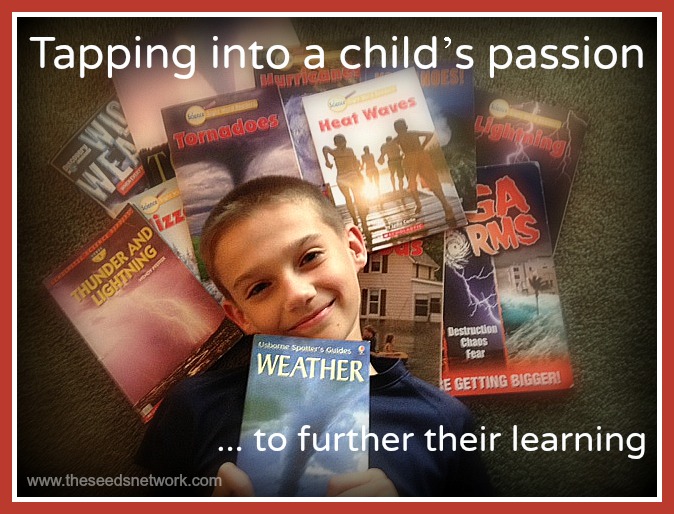
Tapping into a child’s passion to further their learning

There is no doubt that a child learns best when learning takes place in an area of interest.  As educators, we must keep this in mind when lesson planning.  This task can be daunting, especially when given a large group of students with various interests.   However, when given the opportunity to learn and grow through a deep routed interest, wonderful things can happen.  This is the story of my son Riley and how he continues to learn through his interest areas.

RileyPhoto

Preschool: bringing the learning to the child

As a preschooler, my son Riley had no interest in going over to the art center to make projects or sit with a teacher to learn how to write letters.  Instead he preferred the block and science center.  Usually gravitating toward hands on activities with cause and effect, opportunities to hypothesize and predict outcome; Riley needed learning to take place in a center he liked to be in.  Fortunately for Riley, his preschool teachers embraced his interest areas and brought the learning of letter formation, early phonics, pre-math skills and writing to the centers that he loved.  They were wonderfully creative and nurturing to Riley’s needs and interests.

Entering elementary school

As Riley entered Elementary school however, we found that he struggled somewhat.  He was able to retain information, learn concepts in math and reading, however, struggled with reading fluency and phonics and decoding skills in text.  Kindergarten through 2nd grade was challenging and somewhat frustrating as a parent.  Although his teachers felt confident that he was “keeping up”, I as a parent was not satisfied.  By third grade my worries increased when his reading fluency was decreasing and his other areas of study were suffering.  My husband and I requested for Riley to be tested.  I sympathized with Riley’s teachers because everyone was working so hard.  In a class with 25 students, it is no doubt hard to tap into each child’s interest.  I knew in my heart though, that something was not right.

After testing, we discovered that Riley has trouble with his verbal memory.  This, unfortunately, makes learning very hard in a typical classroom environment.  Just like preschool, Riley doesn’t fit into the conventional style of learning.  He learns best through hands on activities, and through retelling verses writing.  Upon discovering these findings, we were able to create better ways in which Riley can learn, be tested, and express himself.  By fourth grade, Riley’s academic skill, in all areas, along with his confidence, has increased drastically.

Tapping into child’s area of interest

We have found that taking a topic of study that Riley LOVES and incorporating academic areas into it, is the way to go.  An example of this is Riley’s love for weather.  He is obsessed with tornados, hurricanes, tsunamis, the daily forecast…he loves it all.  His fourth grade teacher and my husband and I provided Riley with as many tools for learning more about the weather that we could think of.  We exposed him to lots of books to read, including the Farmer’s Almanac, tornado tubes, a digital weather predictor, and radar apps for his iPad.  Providing materials and tools for Riley within his interest area gave him experiences and practice with reading, writing, and math within a mode of study that he is invested and interested in.  As the year progressed, he because quite the little weather expert.

RileyWeather

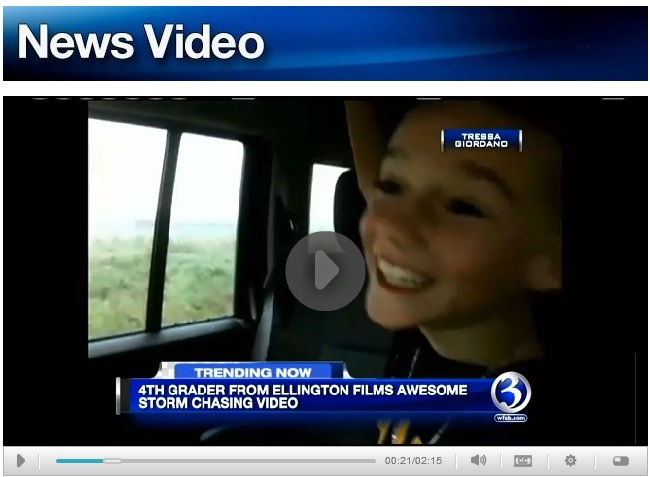
Riley’s Weather Video on Local News

After following a rain storm and videotaping his first ever weather report, I sent a clip to our local news station.  To our surprise they aired his video and Riley became an official weather forecaster.  Our local apple orchard saw the video and asked him to become a regular “reporter” for their orchard, reporting on crop growth, and educating folks on how apples and peaches are grown.  Not bad for someone who struggles with verbal memory!

“Orchard Fun with Riley” video

As a parent, I am so proud of Riley for working so hard to do well in school.  As an educator, Riley is my inspiration to continue to look at students as individuals and to nurture their interests and passions.  It is those types of teachers who make a difference in a child’s life and those students who are able be successful in life.

Focusing on love and kindness during the holidays

candle

Holiday time is a very exciting time for students attending school!   Whether they are infants and toddler, preschools, or school-age children, the holiday time is filled with anticipations and tradition.  Through my years of teaching, I have had to be conscious and sensitive to cultures and beliefs and ensure that my teachings did not cause anyone to feel uncomfortable.

When I taught in a public school, I had to make sure that I did not bring religious beliefs into the room.  When I was a Director of a religious-based program, we shied away from the commercialization of the holiday season. I can recall being very cautious and particular when it came to book and music choices for my lesson plans.  I wanted to be sure that I would not offend anyone.  I know many teachers who sometimes struggle with the holiday season because there are, in fact, so many beliefs and cultures; no teacher wants any family to feel left out.

How can a teacher effectively celebrate all holiday traditions at an age appropriate level? 

At the end of the day though, regardless of culture and religion, I believe that holiday time is a wonderful opportunity to simply teach our children about how to love others.  No matter what the culture or religious belief may be they all originate from a place of love and respect.  Teaching children to be kind, respectful, and giving are lessons that are not only celebrated this time of year, but are reinforced and modeled all the time.

The holiday time of year definitely creates a stage for early educators to review and highlight ways in which we can show love towards others.  So don’t stress this holiday season, bring it back to basics, and simply teach your students how to give the greatest gift of all to each other…..LOVE!

Here are a few ways to teach children how to show love and kindness for others.

  1. Draw a picture for a friend.
  2. Make cards for those in nursing homes or hospitals
  3. Have a food, clothing  or toy drive
  4. Teach children how to give compliments and build each other up
  5. Have families share their holiday traditions, through pictures, food, visits
  6. Listing things you like about each student in the class.
  7. Listing things your class is thankful for
  8. Sing songs about friends and love to other classrooms and parents
  9. Work on full classroom projects that involve everyone’s contribution
  10. Teach your students how to tell  friends and family members “thank you” and “I love you

Share some ways you teach your preschoolers about love and kindess below!

Dancing and learning in preschool

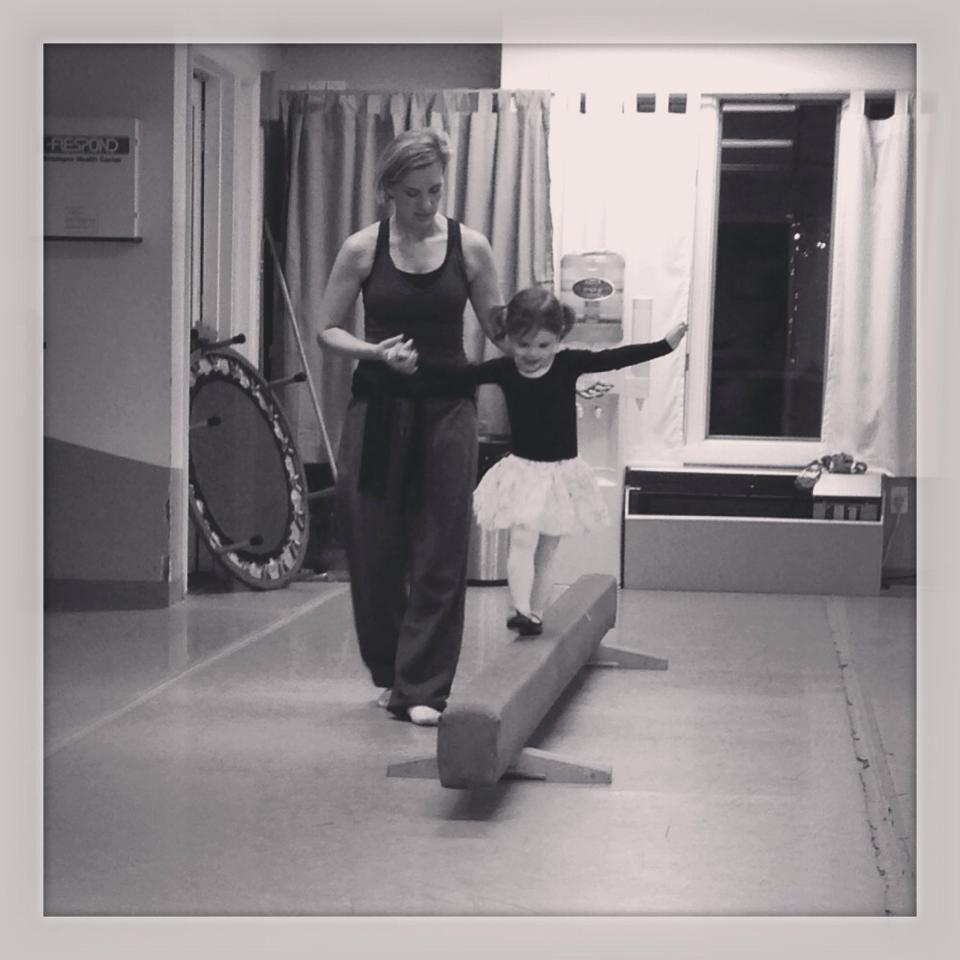
For years I have been honored to teach youth dance lessons at a local dance studio, our local Y and local recreation department. I teach a ballet, tap, jazz, hip-hop, lyrical and tumbling to children ages 3 to 12.  I find that no matter what kind of a day I may be having, coming into the dance studio and seeing all those happy smiles puts a smile on my face.

dance charlotte

What I love most about the classes I teach, is that there is a point when I can feel myself just let go and see life through the eyes of those children.  A world that is full of music, laughter, wonder and creativity.  I find that through the music I play and the movements we learn, my class and I are able to express ourselves and become so many wonderful things.  We roar like dinosaurs, we become princesses, we jump and leap like frogs, we make imaginary pizzas while we stretch, we laugh, we sing, we dance.  For 45 minutes, these children and I enjoy the simplicity of being together, having fun, and learning all at the same time.  I’m sure some of the parents in the waiting room think I’m crazy as I’m flapping my duck wings and quacking at the top of my lungs, but let me tell you, my dancers are learning!

What do children learn through dance?

So many wonderful things happen in dance classes, educationally.  Children are learning vocabulary, directional words, counting skills, and patterning.  Their social skills are strengthened by learning how to work as a team while interacting with peers and adults.  Their attention spans are lengthening.   Children also develop skills to perform their dances in front of others, which is a HUGE accomplishment and social lesson.  Obviously their physical development is benefiting; their muscles are strengthening and they are building coordination and body awareness.  This, all from a 45 minute activity!

One of my favorite activities at dance is when we sit and stretch and “make a pizza.”  I love to hear what each student wants to put on our pizza each week.  I note how at the beginning of the year, their toppings choices are short and generic….”cheese, pepperoni” etc.  By the end of October their responses are detailed and elaborate; “5 Red gummy bears, 13 cups of apple juice, everything but broccoli.”  As my students become comfortable in their environment and are encouraged to be creative, their responses become more thoughtful and detailed.  What they love is my response.  No matter what the topping is that they choose to share, I give them a positive response, making sure that each of them knows that their toppings are appreciated and are important to our final creation.

So my two questions are….

  1. Why don’t we early educators incorporate more music and movement, dance, and the arts into our school classrooms?  Do we provide enough opportunities for our students to think freely and creativity without restrictions and expectations?  Don’t all of our students deserve the opportunity to have a mode of learning that gives them the freedom to move and create?
  2.  Are we as early educators listening to our students…..I mean really listening?  Our children deserve our attention and deserve genuine responses that take their opinions and feelings into consideration.  We need to be encouraging, reassuring, and valuing of what they have to say.

When Laura and I go out to conduct professional development seminars I always comment that there are thousands for “mediocre” teachers in this world.  Teachers who come in, educate, are kind and loving, they do nothing wrong in their quest to educate…but then there are BA BAM teachers….those who go above and beyond to ensure that their students are given opportunities to be creative, exploratory, inquisitive, and most of all listened to.

Does it take a bit more energy and planning to become a “BA BAM” teacher?  You bet!  But it is worth it and our children deserve it.  So my last question for this post is…..How will you be a “BA BAM” teacher today?

Letting go on the first day

EmAs Early Childhood professionals, we become that first teacher in many children’s lives. For many children, child care or preschool is their first educational experience away from Mom and Dad. The same goes for the child’s parents. We teachers and administrators need to treat this first experience with great tenderness; we have a huge responsibility for setting the tone for many years of education to come. We want this first experience to be positive and give a child and parent a sense of trust, safety and love. Each family is different and unique and we must recognize this and act accordingly.

On the first day of school you will come into contact with some families who are able to drop and go with no issue … no tears, no worries, a smooth transition by both parent and child. You may have situations where a child is a little weary, yet you are quickly able to intrigue a child with something of interest in your room and soon they are feeling comfortable. You may have a situation where the child is very sad and has a harder time separating from a parent. There are even situations where the parent has a harder time than their child and the parent may linger. With each of these scenarios, it is crucial to build a positive relationship with the parent and child so trust can be built. Having patience during those first weeks is also important; and letting the parents know that you really want school to be a place where the child and the parent looks forward to coming back to everyday.

For years I have given parents advice on how to take that first step of letting go. I stand in the halls with parents as they peek through the door window to make sure their children are ok. I help parents during times when their child cries at drop off … assuring them that they will be ok. Most children settle in very quickly once mom and dad leave. For some parents, I even encourage and coach them to go and drive the nearest coffee shop and just enjoy a cup of coffee in peace knowing their child is having fun in a loving environment.

riley_0

Then .. came my day. For me, directing a program is the best job for raising young children. My children have been with me at work since they were infants. I always had them right down the hall from me from age 6 weeks to the time they went off to school. Then came Kindergarten for my first child and there I was … crying like a baby at that bus stop … trying to let go, feeling as though a part of me was being taken away. My poor son, he was so embarrassed. The car ride to work felt foreign with just my daughter in the car, but that experience allowed me to empathize with all the parents that I see each and everyday at my center saying goodbye to their children for that first time.

So as the first day of school comes to your center, remember that this is a big step for children as well as parents … treat it with love and tenderness.