More pumpkin activities in preschool

PicMonkey Collage


As we continue to enjoy the Fall season, we have explored pumpkins in our classrooms in many ways!

We’ve opened them up, scooped them out, counted the seeds and made delicious pumpkin treats!

I talked about some ideas in the “Learning about apples and pumpkins” post … but here are a few other ideas for ways to play and learn with pumpkins in preschool!

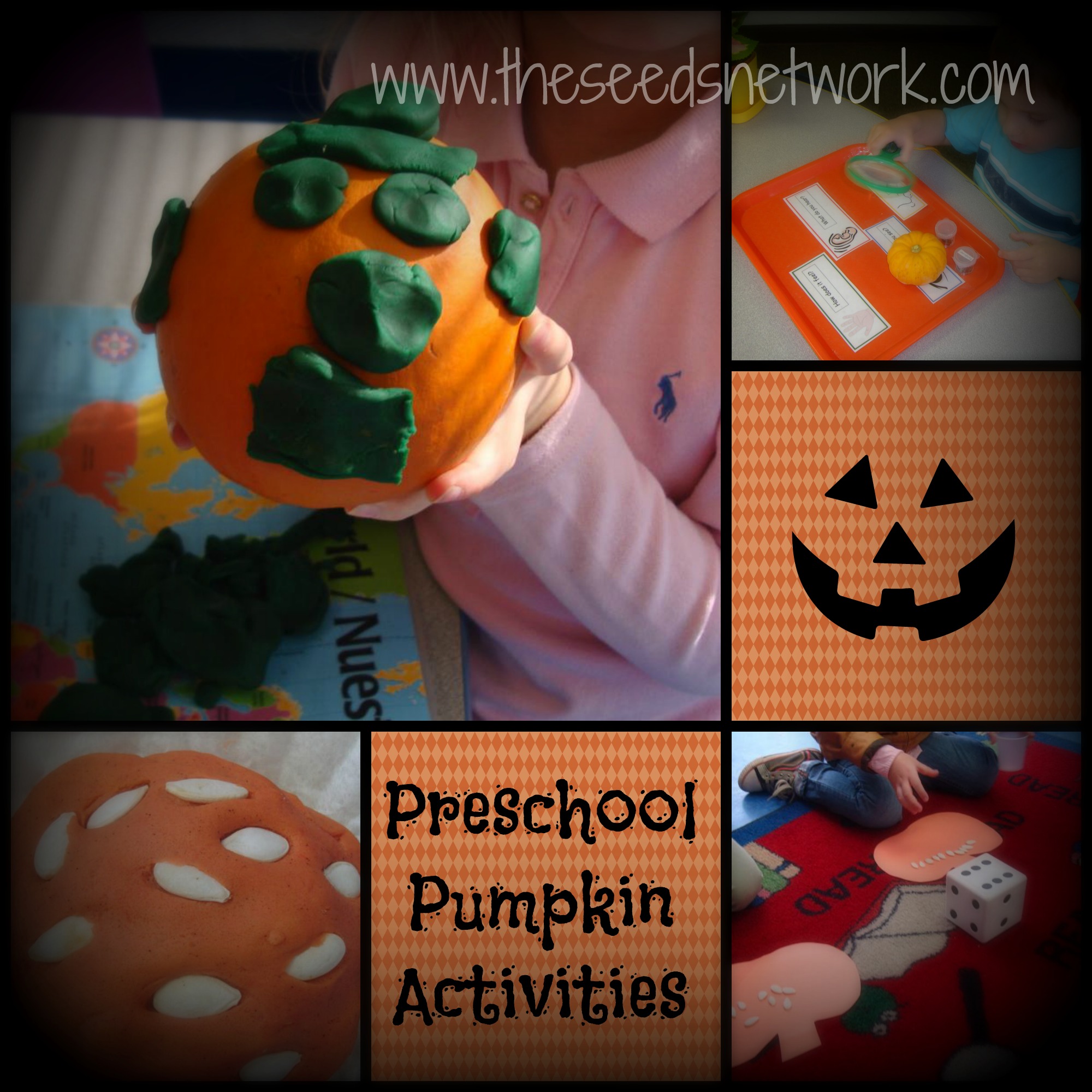
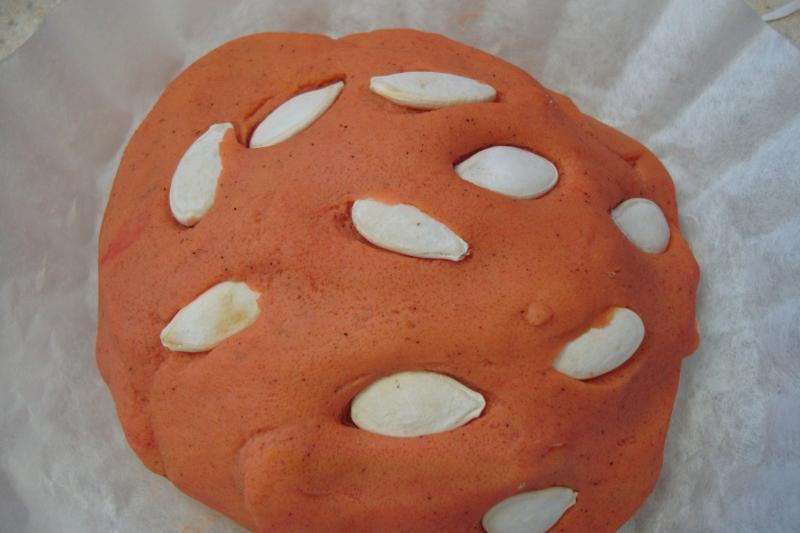
Pumpkin Playdough – We took a simple, no-cook playdough recipe, added red and yellow food coloring … and then added some cinnamon and pumpkin pie spice to the mixture! The children loved the smell! I asked them what they thought it smelled like … I got some really cute answers like “donuts” and “apple sauce”! Then we added some pumpkin seeds to the dough, for an extra sensory experience.

pumpkinplaydough

Pumpkin butter – Using heavy whipping cream, salt, canned pumpkin, powdered sugar and cinnamon (or pumpkin pie spice), the children can measure, mix and then SHAKE the ingredients to make a delicious pumpkin butter to spread on crackers or bread. Great science experiment to see how the liquid transforms to the creamy butter as they shake!

Pumpkin Pudding pies – Another yummy recipe featuring vanilla pudding and pumpkin pie filling!

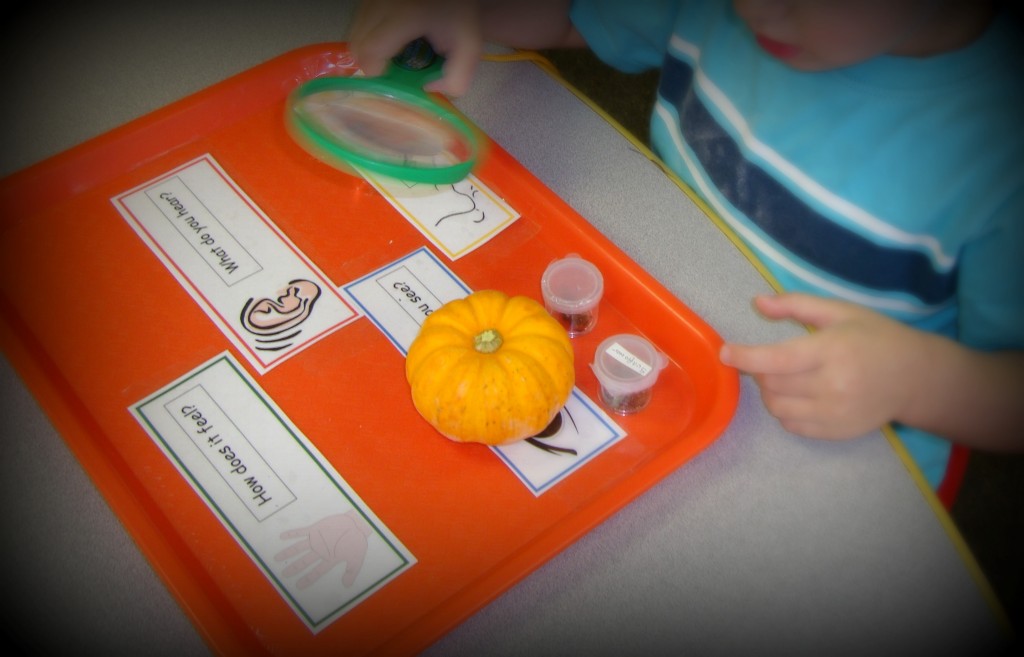
Using Our Senses Pumpkin Exploration – Allow children the opportunity for some individual exploration with a small pumpkin, pumpkin pie spice (in a container) and pumpkin seeds (in a container).  Children can explore what they see, feel, smell and hear!

pumpkinkid

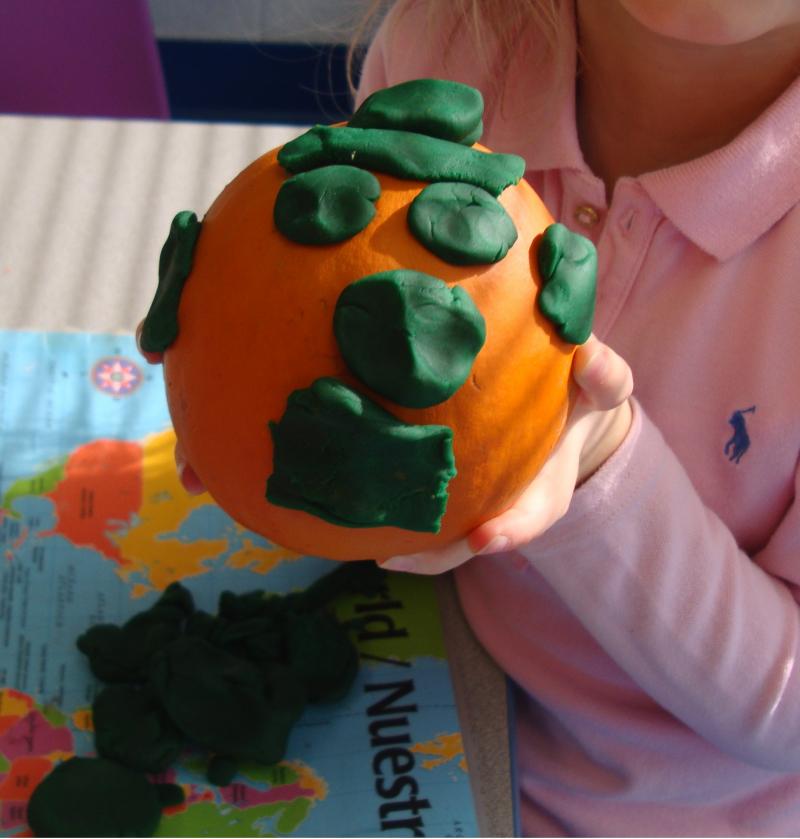
Pumpkin Playdough faces – We had fun with this great idea by Deborah at Teach Preschool where we made faces on real pumpkins simply using playdough!

pumpkinface

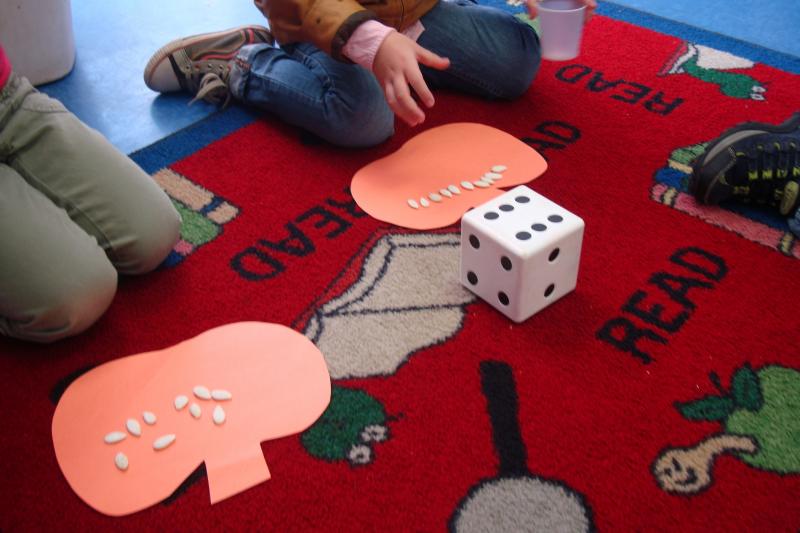
Count a seed pumpkin game – This is a fun, cooperative game that will help children practice counting (one-to-one correspondence).

pumpkingame2


Do you have any other fun pumpkin ideas to share?

Leave a comment or link below!

Oh the many ways to make Christmas trees in preschool

Christmas tree


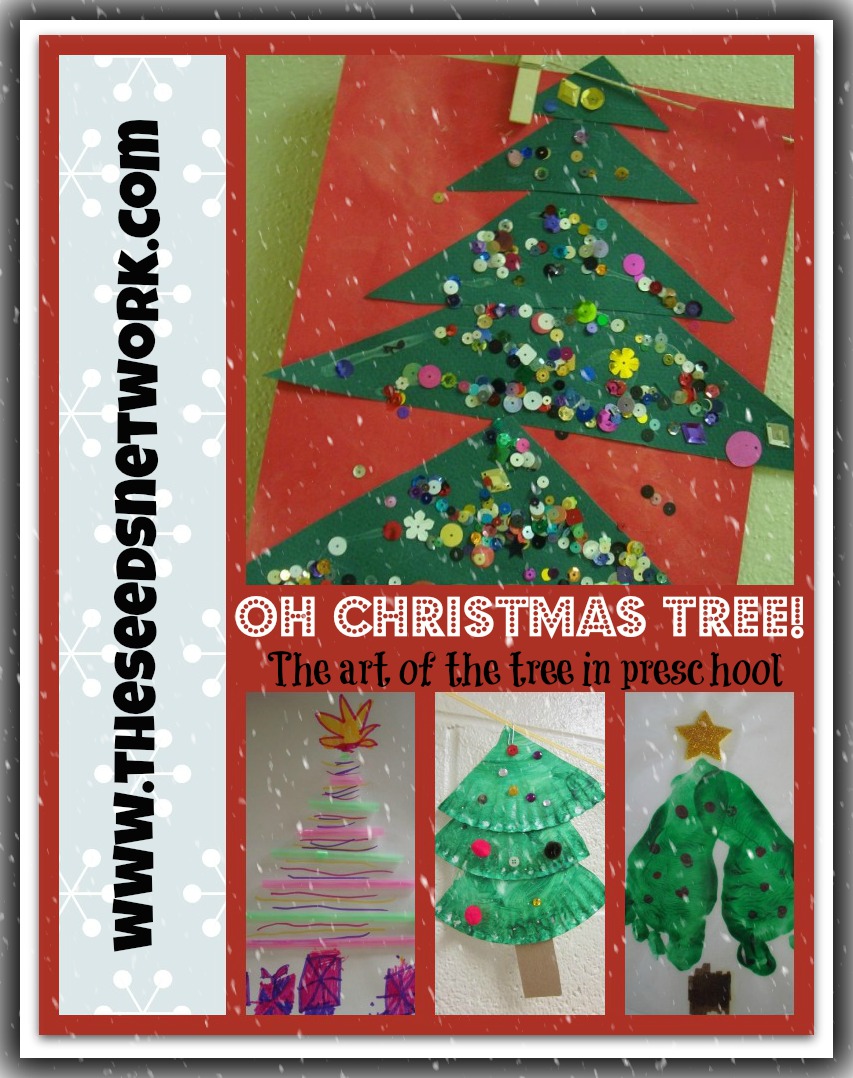
Oh Christmas tree – so MANY WAYS to make a Christmas tree in preschool! From tissue paper to egg cartons, sticks to straws – there are so many different materials that can be used to make Christmas Tree Art projects. And lots of learning that can take place in the process – creative expression, counting, sequencing, fine motor development … so here’s a round-up of some really creative trees that can be made with infants to kindergarteners!


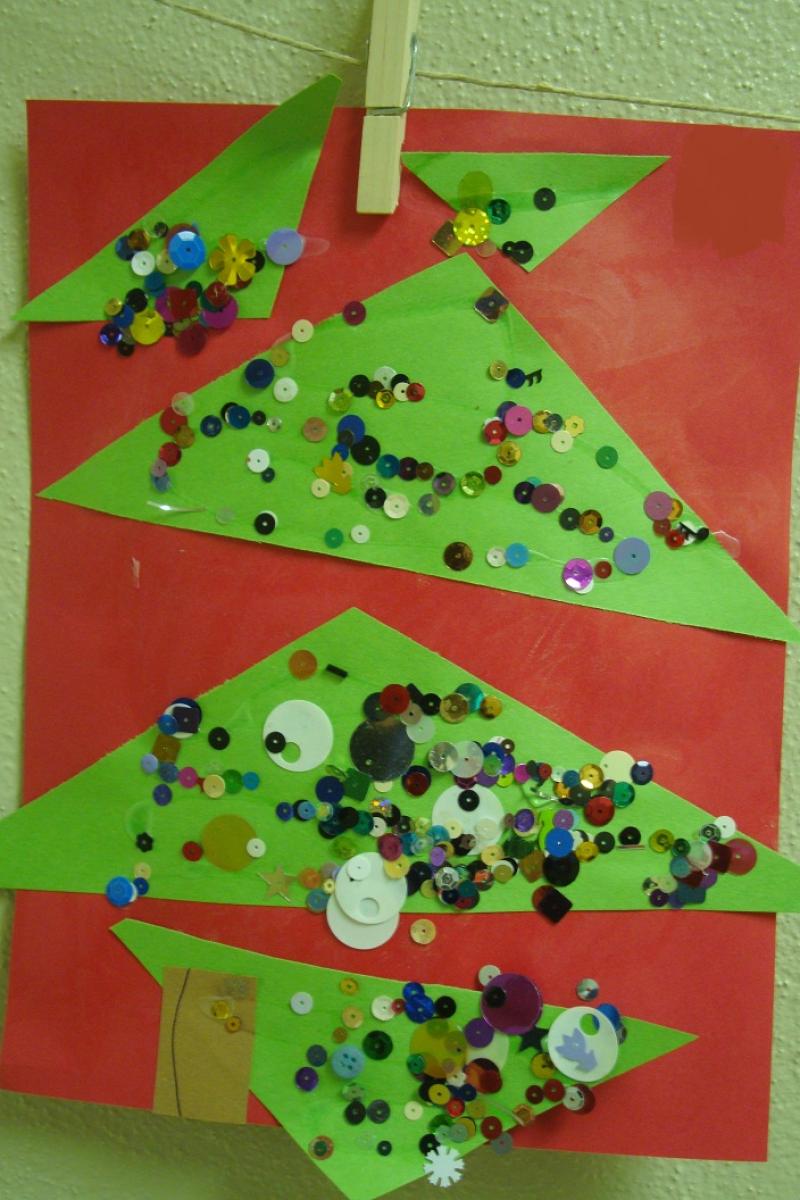
Easy TriangleTrees

Perfect activity for toddlers and young preschoolers to express their creativity! Give them some pre-cut triangle shapes in various sizes and have them put together a tree on a piece of paper, and then embellish with sequins. The “not so perfect” tree shapes are priceless!

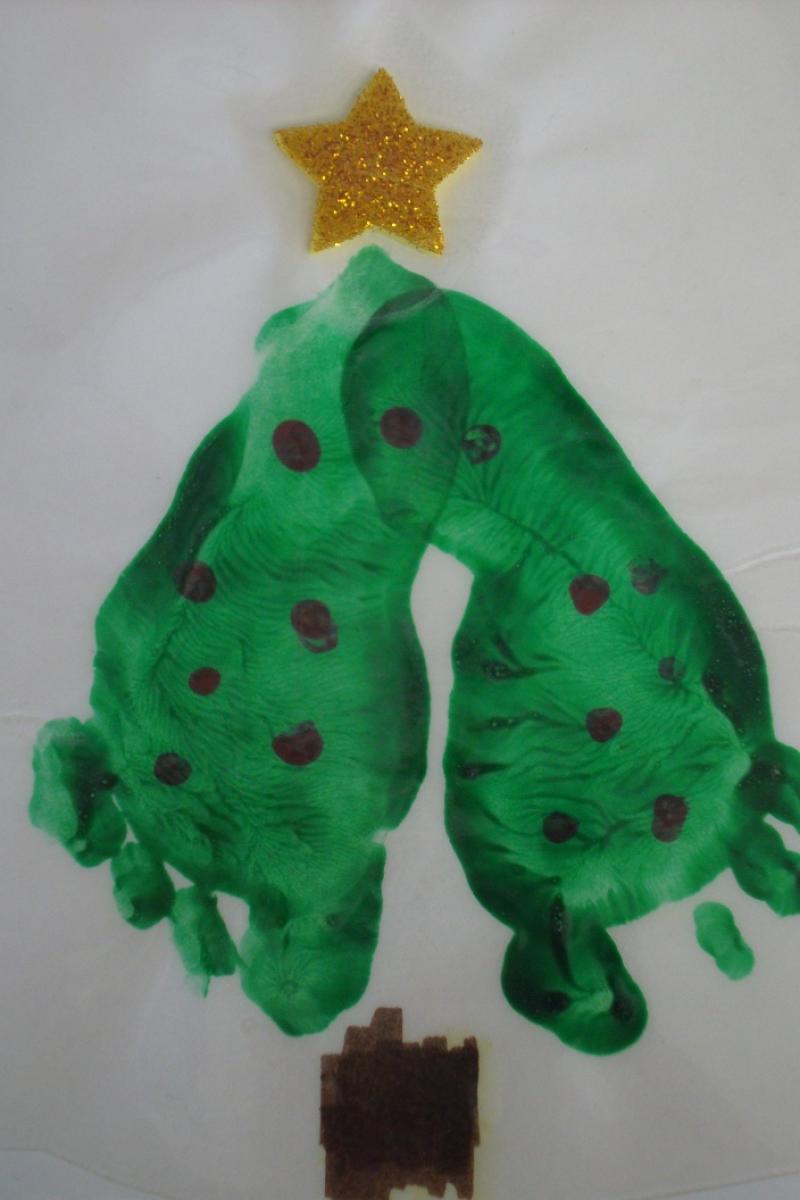
Infant Mistletoes

This is such an adorable Christmas keepsake!

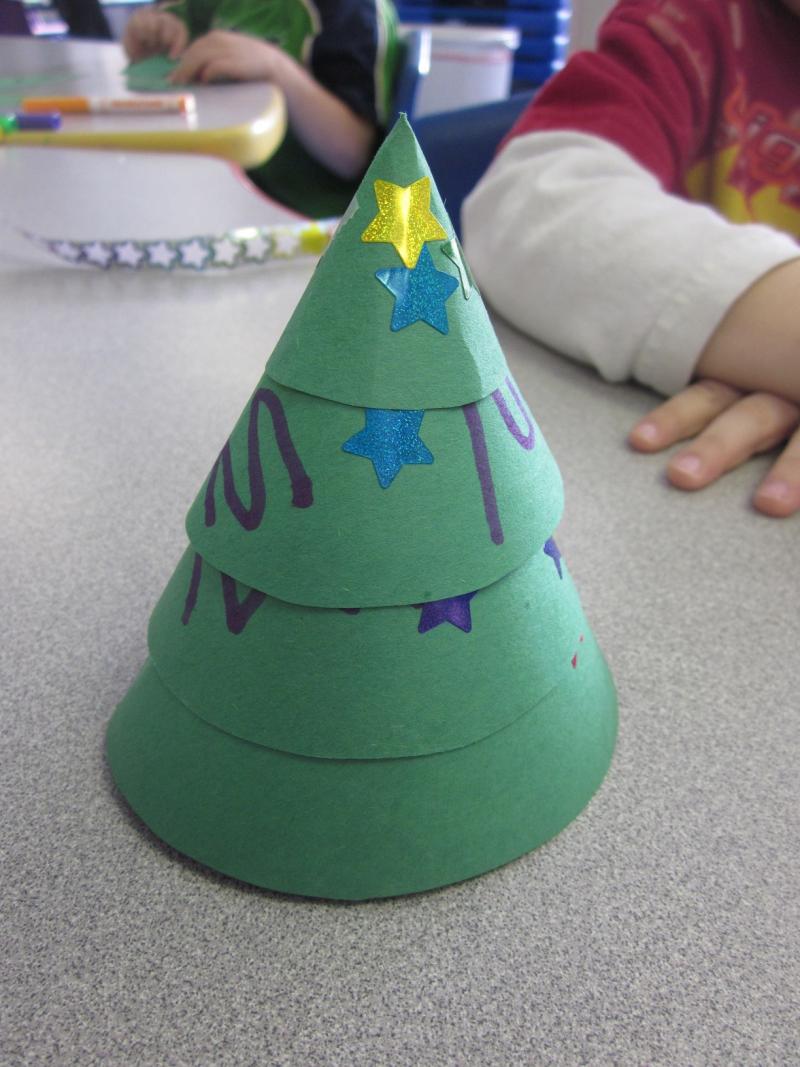
Stackable trees

I have the children make these trees after reading “Mr. Willowby’s Christmas Tree”. They get four different size semi-circles to decorate. After decorating, we turn the half circles in cone shapes and then stack the (good sequencing activity to go from largest to smallest cones to stack).

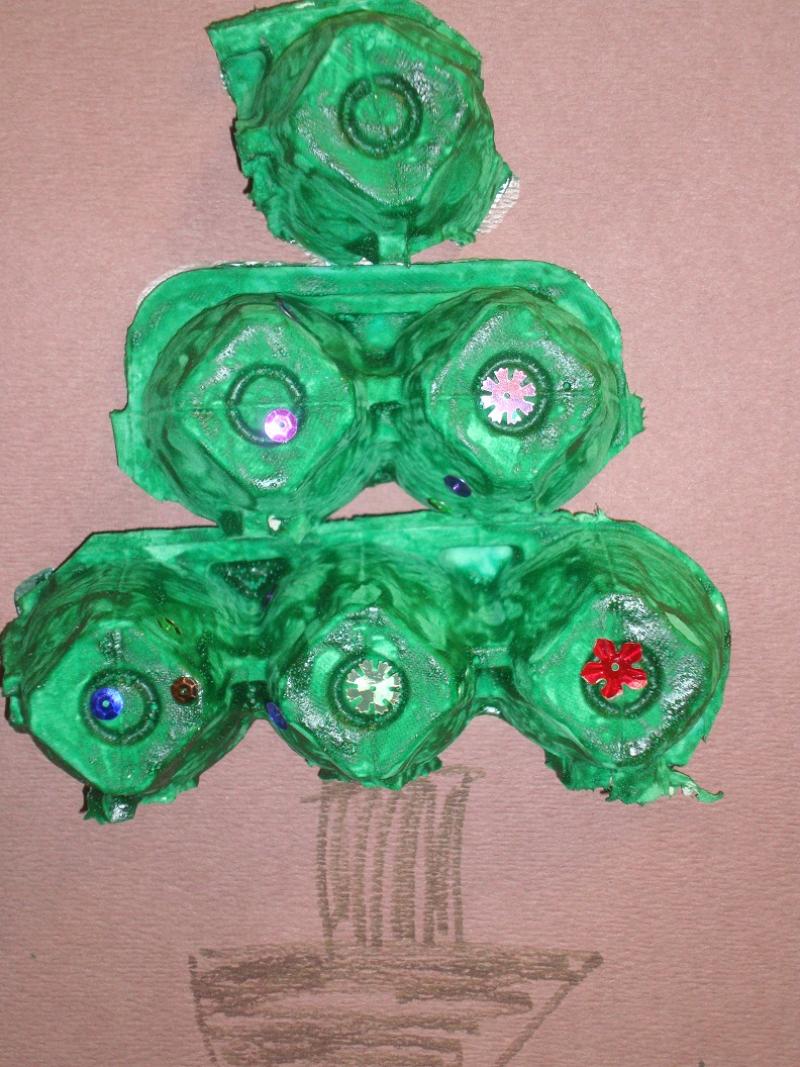
Egg Carton trees

Older preschoolers and kindergarteners can use recycled egg cartons which they cut, paint and arrange to form a tree.

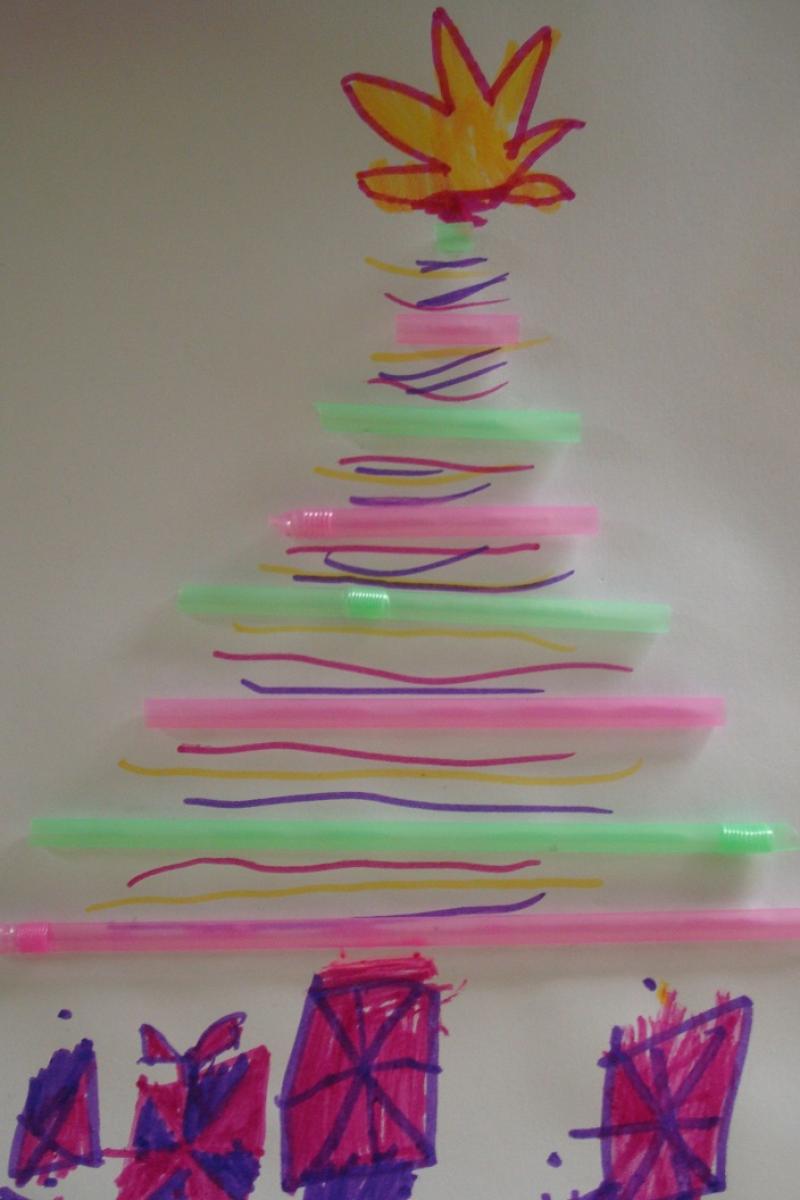
Christmas Tree of Straws

Children will get some great fine motor practice cutting the straws into all different sizes. They can then work to arrange the straws from longest on the bottom to shortest on the top to form their tree.

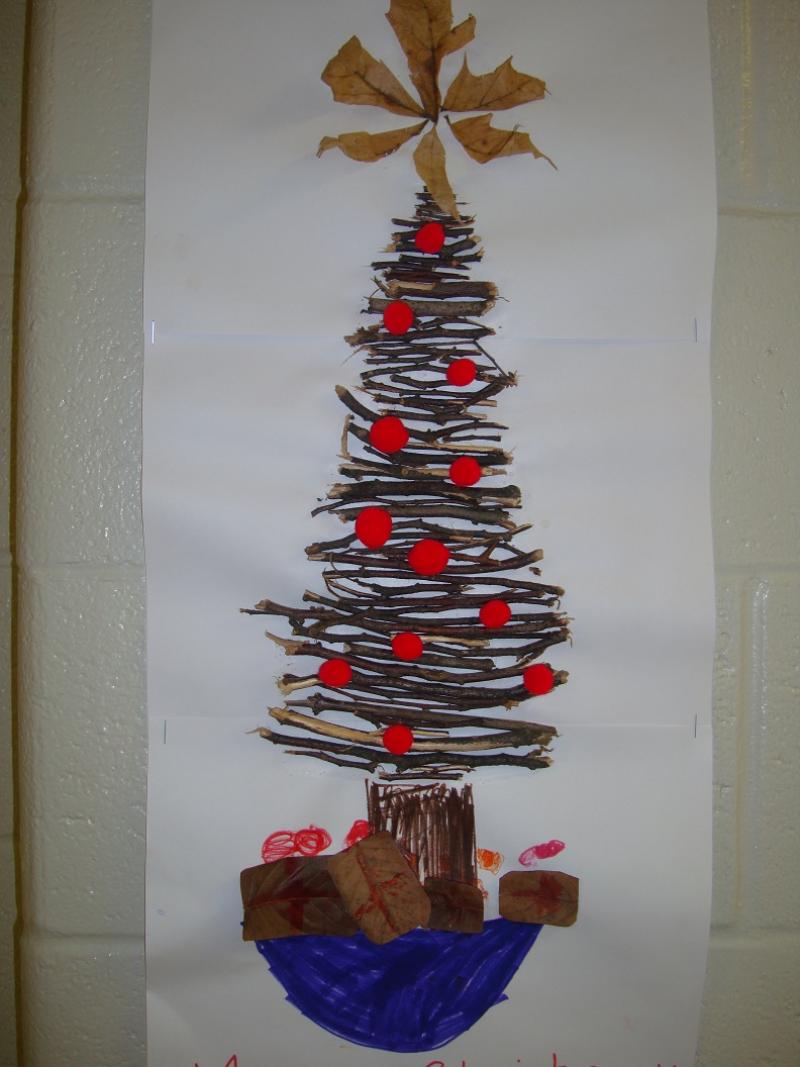
Nature tree

I love this tree made out of some items found outdoors! After going on a stick hunt, parents and teachers may need to cut some of the sticks so there are various size pieces. Children can work together to arrange the sticks in order to form a tree. Embellish with pom poms – and a star made out of leaves tops it off!

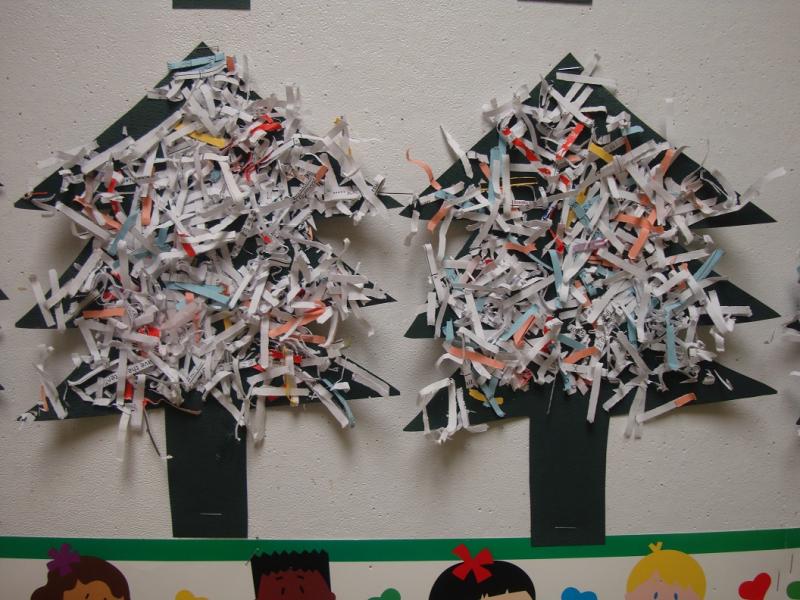
Shredded paper tree

It’s great when you can use recycled materials in an art project. Here shredded paper is used to decorate this tree shape.

Large paper trees

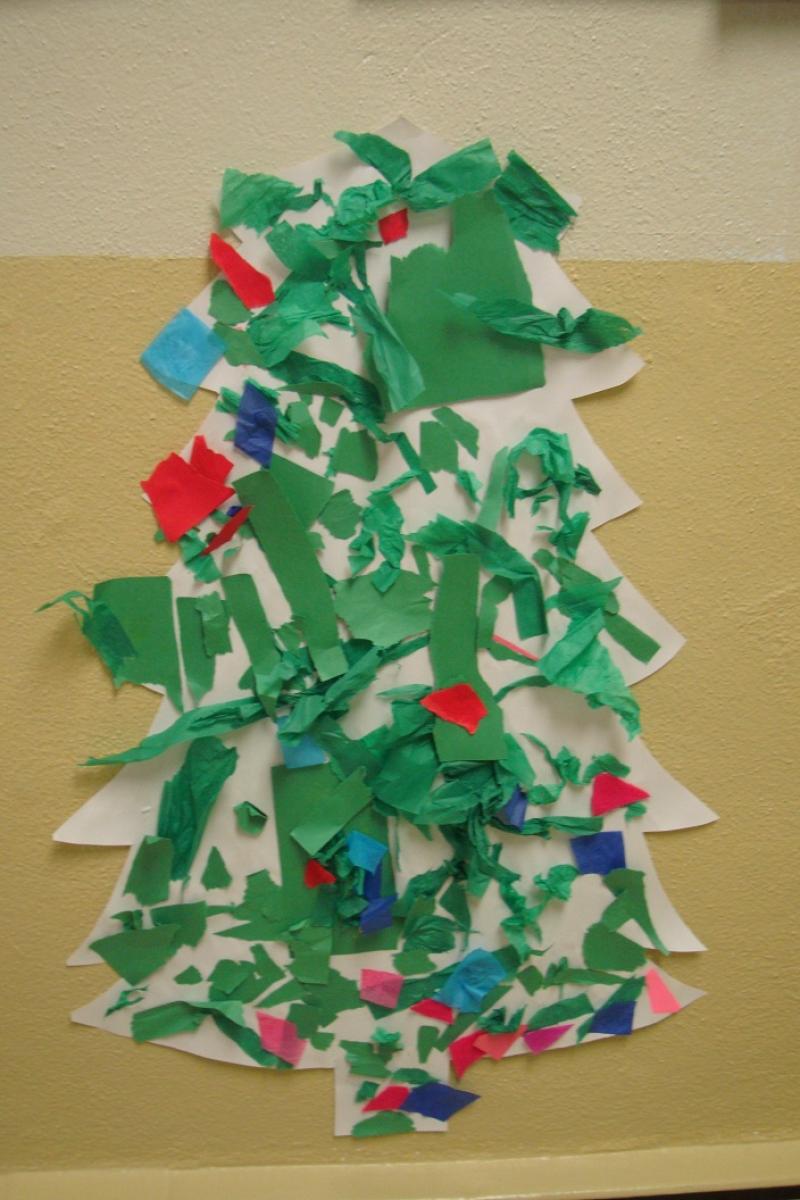
Children can tear and crinkle the paper to their hearts delight as they work together to fill in the space on the large tree cut-out.

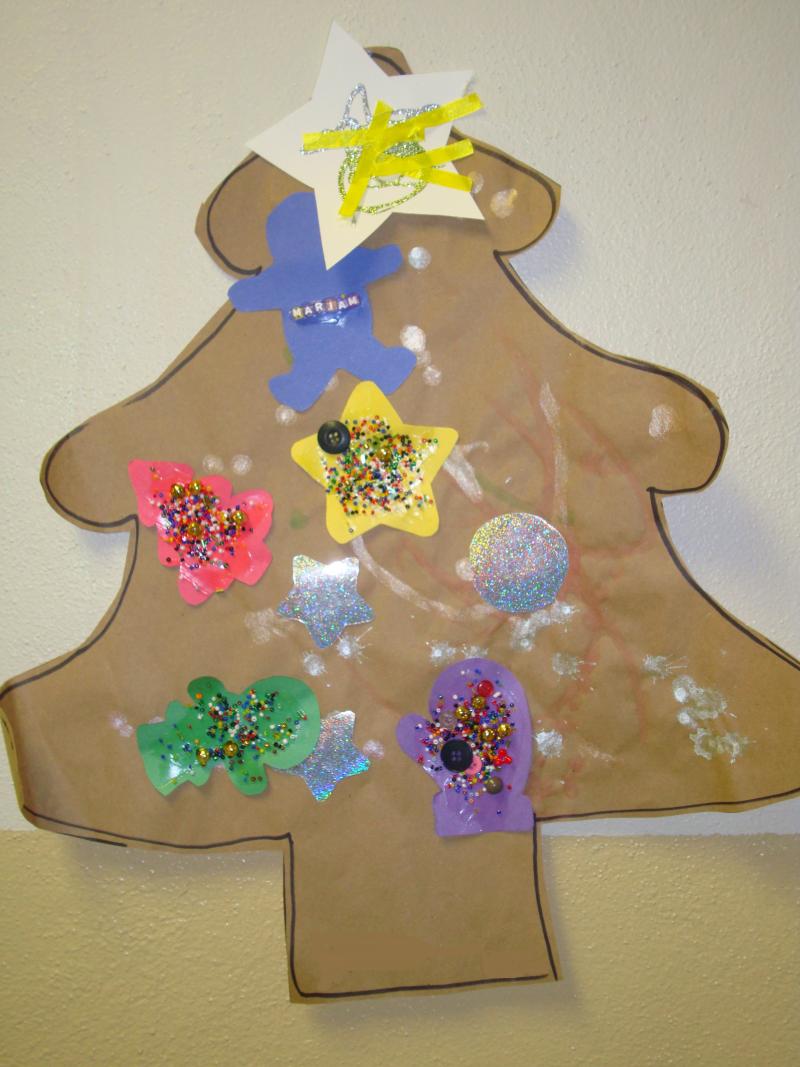
Or try this … cut out large tree shapes out of easel paper along with some assorted shapes, like stars, out of colored construction paper. Have toddlers decorate their tree as they wish by drawing with markers or painting with paint on their trees.

Watercolor trees

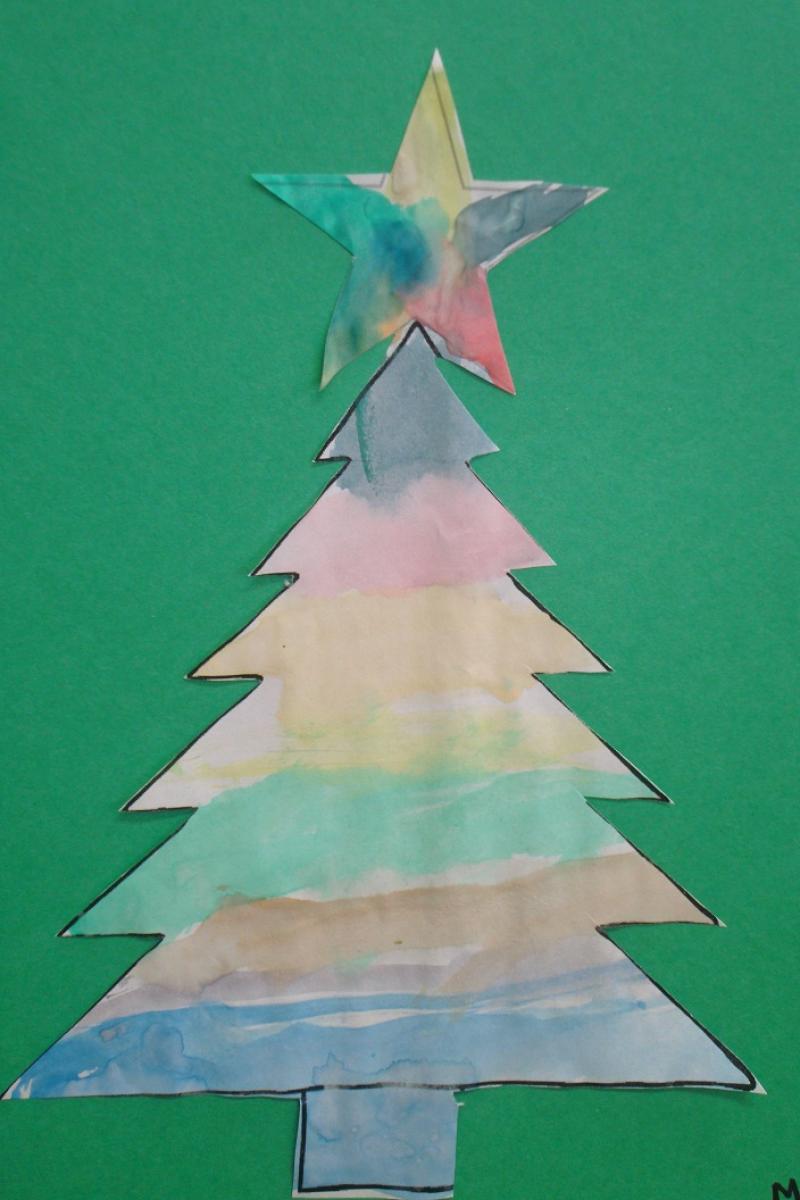
Using watercolors is a good fine-motor activity for children. We encourage the “wet-wipe-wiggle” method to watercolor painting to get the deepest colors (wet the brush, wipe the brush on a paper towel, wiggle the brush into the paint). Teachers can silhouette cut out the trees and mount onto construction paper once dry.

Paper plate trees

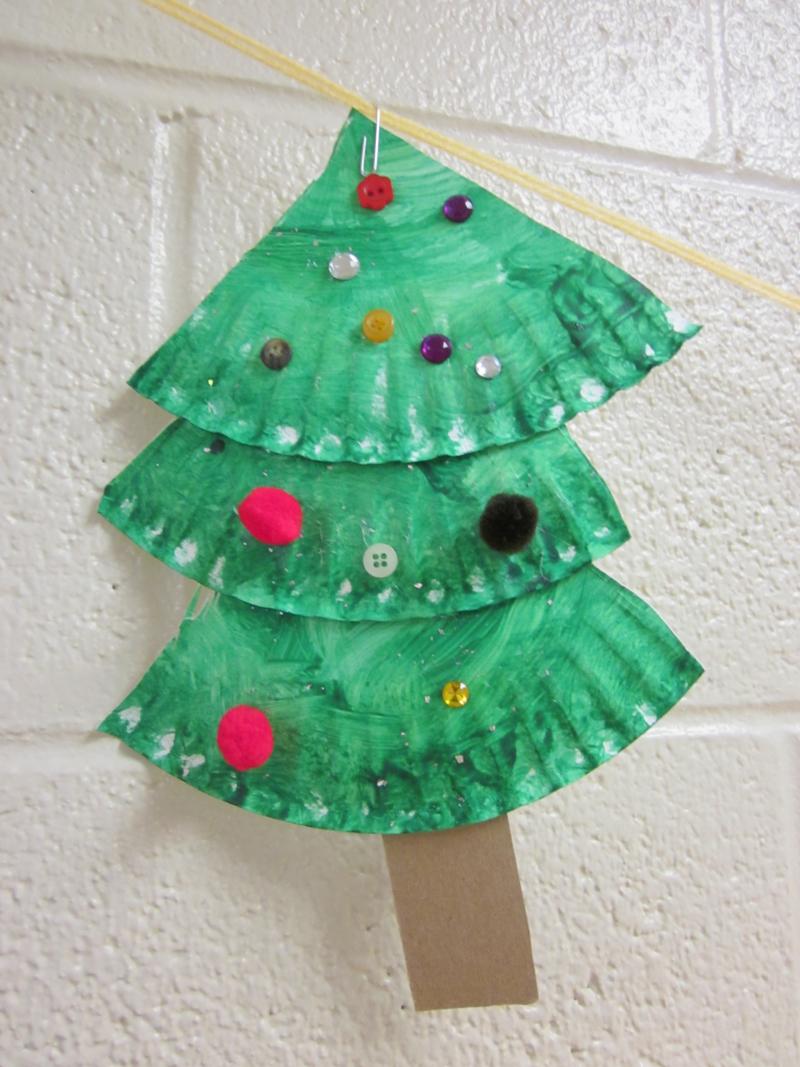
After painting a paper plate green and allowing it to dry; cut the plate into quarters and then assemble into a tree shape.

I hope you enjoyed this round-up of Christmas tree art!

treecollage

Ready for Kindergarten Book Study: Counting and Number Recognition

Ready for Kindergarten book

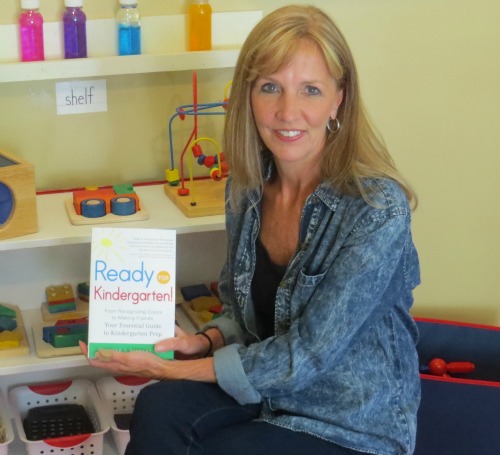
Parents, teachers and caregivers of young children, I am recommending a new book for you to add to your library!  Ready for Kindergarten!: From Recognizing Colors to Making Friends, Your Essential Guide to Kindergarten Prep by Deborah J. Stewart, MEd is the perfect resource for those wanting practical insight into preparing children for success in kindergarten.  Deborah shares information about things children should know and how parents and caregivers can help.  With each idea, the book describes “What Your Child Should Know”, “How You Can Help” and “Reflect, Revise, Revisit.”

For the book study, we are focusing on Counting and Number Recognition (a subsection of Chapter 10: The Core Concepts).  Be sure to read to the end, as then you will have a chance to WIN a FREE COPY of Ready for Kindergarten!

What Your Child Should Know: Counting Objects

Rote counting (verbal counting by memory, starting at “one” and going up) and counting objects (one-to-one correspondence) are actually two different sets of skills, as Deborah points out in this chapter. Both require interest by the child and a means to practice developing these skills.  We’ll be focusing on interactive ideas to help children practice counting objects.

How You Can Help: Using Games and Stories that Involve Counting

When integrating the use of numbers and the process of counting with real life objects and experiences, your child will develop a lasting knowledge and meaningful understanding of counting and number recognition.  — Chapter 10, Ready for Kindergarten

When it comes to finding opportunities to practice counting objects with your preschooler, it’s almost limitless!  You can count dandelions as you pick them outside, toy cars as you play, or Lego bricks as you build – real life objects that have meaning to a preschooler.  Find topics and items that your preschooler or class is interested in, and find ways to incorporate counting of those objects.  Here are a few ideas!

Count a seed pumpkin game

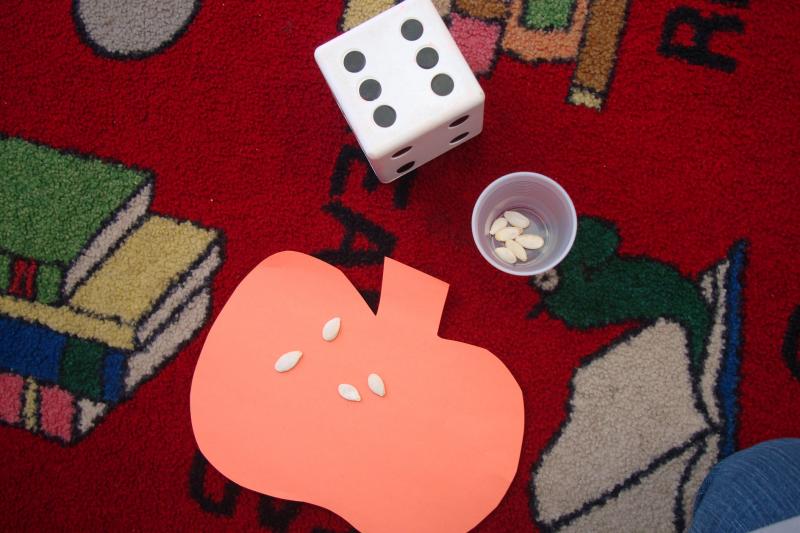
Using real pumpkin seeds and paper pumpkin cutouts, have each child take a turn rolling the die and counting the number of dots they have rolled.  Then they put that same number of pumpkin seeds on their paper pumpkin.
pumpkingame

Counting and graphing leaves

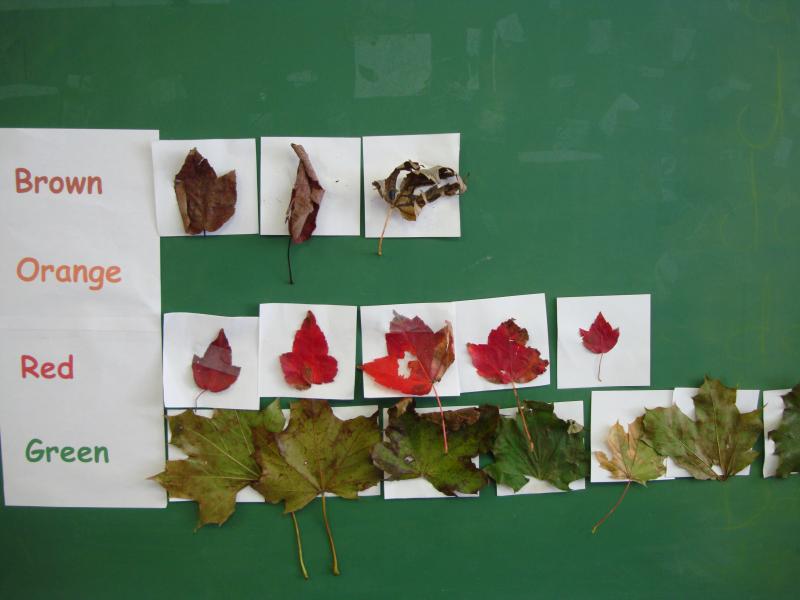
Go on a nature walk and collect a variety of different colored leaves.  Have each child choose a favorite and then graph those on a board by color – and then count how many of each color you have.
leaves

Using a story

Read “The Leaves are falling one by one” by Steve Metzger, and have a small amount of leaves (real or construction paper cutouts).  As you count the leaves in the story, tape a leaf to a chalkboard or posterboard, so children can see how the number of leaves increases.  Have them count along with you.

What Your Child Should Know: Number Recognition

Number recognition (ability to recognize numerical symbols such as 1, 2, 3) is yet a different skill than rote counting and counting objects.  But all these skills wind up being combined as children learn to recognize numbers. Deborah identifies that a child being able to recognize numbers 0 through 1 by kindergarten lays a solid foundation for continued counting and number learning as they enter school. 

How You Can Help: Using Play and Stories that Feature Numbers

I think of it as “number literacy”.  Those who work in education know that the more a child is exposed to stories and print, the better chances of success a child will have when learning to read.  Let’s do the same with numbers, by exposing children to what numbers look like through fun activities and books!

Play dough fun (and more) with Math Mats

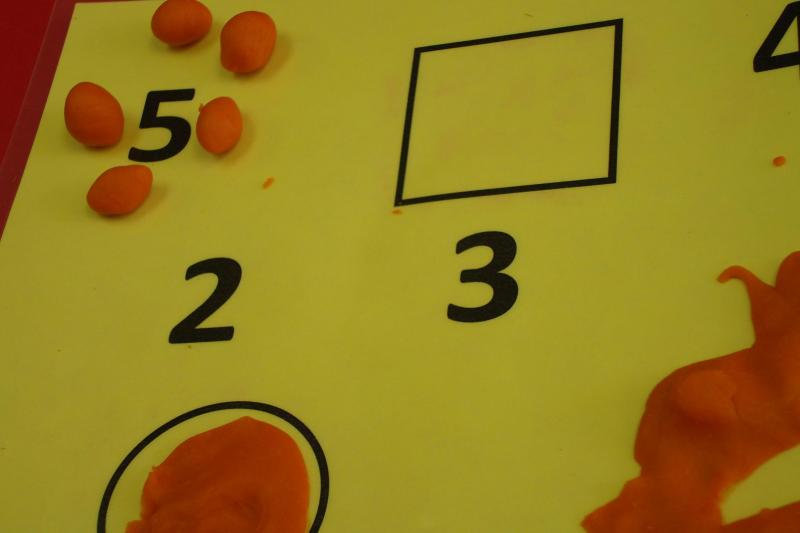
Preschoolers can practice number recognition and counting with these mats using play dough and a variety of other different materials. Providing different materials at different times can reinforce and scaffold learning.
math mats

Have preschoolers attempt to recognize numbers (particularly when they are not in numerical order). Identify the number and then use play dough or other small material to count out that number.

Using a story

Read simple books with your child that involve the creative use of numbers. Choose books that are about topics she’ll find interesting and fun to read.— Chapter 10, Ready for Kindergarten

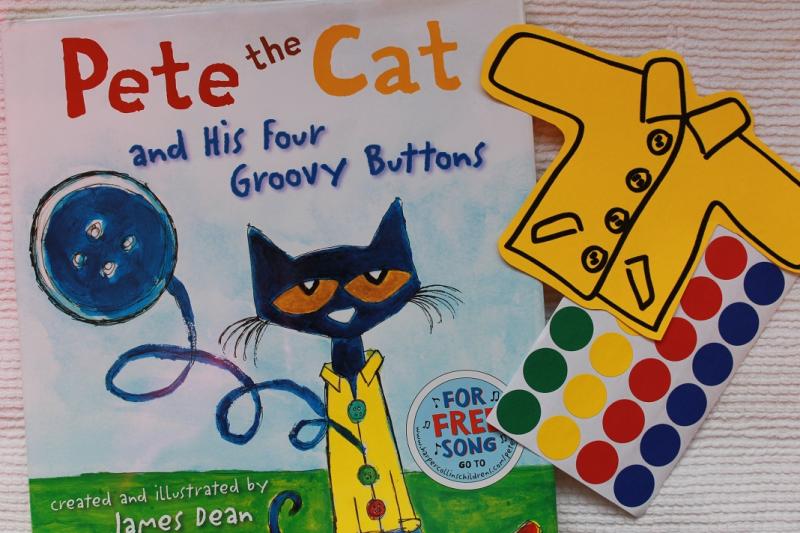
Read “Pete the Cat and his Four Groovy Buttons”, which uses numbers and the concept of counting backwards, as Pete looses his buttons.  Even though they count backwards in the story, you can use the concept of counting forwards as children help figure out how many buttons Pete has left.  AND, the story shows each number big and bold for children to learn to recognize!  So again, even though number recognition and counting are separate skills, they go hand-in-hand.
Pete the Cat

To add a hands-on component to this story, you can try this idea.  Before you read, print out shirt clipart (or do a freehand drawing) onto some yellow cardstock or construction paper to look similar to Pete’s shirt in the story.  Have children put 4 circle/dot stickers on their OWN shirt (you can put 4 dots on each circle with a marker to make them look more like a button, if you wish). I also put 4 sticker buttons on my shirt as well. As you read the story and Pete looses a button, have the children take one of their sticker buttons off their shirt and put it onto their yellow paper coat. Have them count how many buttons they have left on their own shirt – to go along with how many buttons Pete has left on his shirt.  Be sure to point out the written number in the book after the children figure it out, so they start to associate the number with the numeric symbol.  It’s a very fun story and a great read-aloud that children will want to hear more than once!

Reflect, Revise, Revisit:  Independent exploration

After playing counting and number games or reading a number story – make the materials accessible for children to explore independently later.  Use clear contact paper and laminate the math mats and put them in the play dough area.  Or laminate Pete’s yellow shirt and put it in the reading center along with the book and stickers.  Leave a cup of pumpkin seeds, pumpkin shaped cut-outs and a die in the math center.  While observing your child/ren revisiting the materials, you can get a sense of how they are learning and developing those skills.

Enter to Win “Ready for Kindergarten”!

Now’s your chance … want a copy of Deborah’s book?  Here’s what you do …

  • POST A COMMENT here on this blog post.  Share a counting or number recognition activity or let me know how you would use this book in your home or school.
  • Be sure to enter a correct email address when entering, as this is how the winner will be notified.

Give-Away Rules

  • The give-away will close on Sunday, September 82013 by 8pm EST.
  • The winner will be selected by Random Generator.
  • The winner will be notified by email and must respond within 48 hours from notification or a new winner will be chosen.
  • The winner will need to provide a shipping address when they respond to the email.
  • Deborah Stewart will send the winner of this give-away one copy of the book!  If you ask her, she will even sign it for you!!
  • No entries will be accepted by email, on Facebook or any other forum. YOU MUST LEAVE YOUR COMMENT BELOW ON THIS POST TO ENTER.
  • This give-away is void where prohibited by law.

Congratulations to Susie (comment #23)!  Thank you for entering!
Deborah’s book now available on Barnes & Noble and Amazon

Ready for Kindergarten

 You can learn more about the book or go ahead and purchase a copy of Ready for Kindergarten!: From Recognizing Colors to Making Friends, Your Essential Guide to Kindergarten Prep online!

Disclosure: The author of Ready for Kindergarten! is providing a copy of the book for the giveaway. All opinions expressed in this post are mine. The SEEDS Network, LLC is a member in the Rakuten LinkShare Affiliate Network

Using math mats in preschool

math matsAfter seeing an idea for math mats in a magazine, I decided to make some and laminate them for use at our school. Preschoolers can practice counting and shape building with these mats using a variety of different materials. Providing different materials at different times can reinforce and scaffold learning. Here are a few examples of the ways we have used math mats!

Using Play Dough

Provide children with play dough to build outlines of the shapes and numbers. They can work to mold the dough to fill in the shape, or make “lines” with the dough (like making “worms”) and then outline the shape.

math mats

Ask them to roll pieces of playdough into balls and make the same number of play dough balls as each number.

math mats

math mats

Using Small Materials

You can also vary the activity using other materials (such as pom poms, seeds or other small manipulatives). In the pictures, the children used sunflower and pumpkin seeds to outlines the shapes.

math mats

With the pom poms we did an estimating activity – guessing how many pom poms it would take to fill the circle. Then we filled it, and counted to see how close we were.

math mats

Using Pipe Cleaners

This was a more challenging activity, as children tried to bend and mold the pipe cleaners into each shape. We provided pipe cleaners of various sizes.

math mats

You can make up your own mat on colored paper. Laminate the mats with clear contact paper or laminating sheets for durability. They can be placed in the math center with small counting objects – or in the art center, with collage materials and play dough … or BOTH!

math mats

Counting and literacy activity with Pete the Cat

Pete the CatThe “Pete the Cat” series of books are loved by children, teachers and parents! (We are pretty big FANS ourselves!)

While doing a recent “Book & Boogie” activity with the story “Pete the Cat and his Four Groovy Buttons” at our local library, I wanted to have something for the children to take home with them so they could retell the story. The activity below provides a hands-on counting component to the story while you read it – but can also be used to retell the story afterwards.


Beforehand, print out shirt clipart (or do a freehand drawing) onto some yellow cardstock or construction paper to look similar to Pete’s shirt in the story and then cut it out.  Provide one to each child.

Pete the Cat

WHILE YOU READ:
Before you read, have children put 4 circle/dot stickers on their OWN shirt (you can put 4 dots on each circle with a marker to make it look more like a button, if you wish). I also put 4 sticker buttons on my shirt as well. As you read the story and Pete looses a button, have the children take one of their sticker buttons off their shirt and put it onto their yellow paper shirt. Have them count how many buttons they have left on their own shirt – to go along with how many buttons Pete has left on his shirt.

Continue until all the buttons are off their shirts and onto their paper shirt.  They can then bring their paper shirt home to be able to re-tell the story.  Or they can use their paper shirt in the art center, draw a picture of Pete and glue the coat on.

AFTER YOU READ:
You can laminate some yellow paper shirt and put them in the reading center along with the book and stickers.  Children can put 4 buttons on the shirt, and as they look at the book, they can remove a button from the shirt just like in the story.  Laminating the cardstock shirt with clear contact paper or a laminating machine will help with durability, and for ease of the stickers to be peeled off and on.

Pete the Cat

Don’t forget that there are FREE song downloads available for each “Pete the Cat” story – and after you listen and read, you’ll definitely be walking around and singing “My buttons … my buttons! My four groovy buttons“!