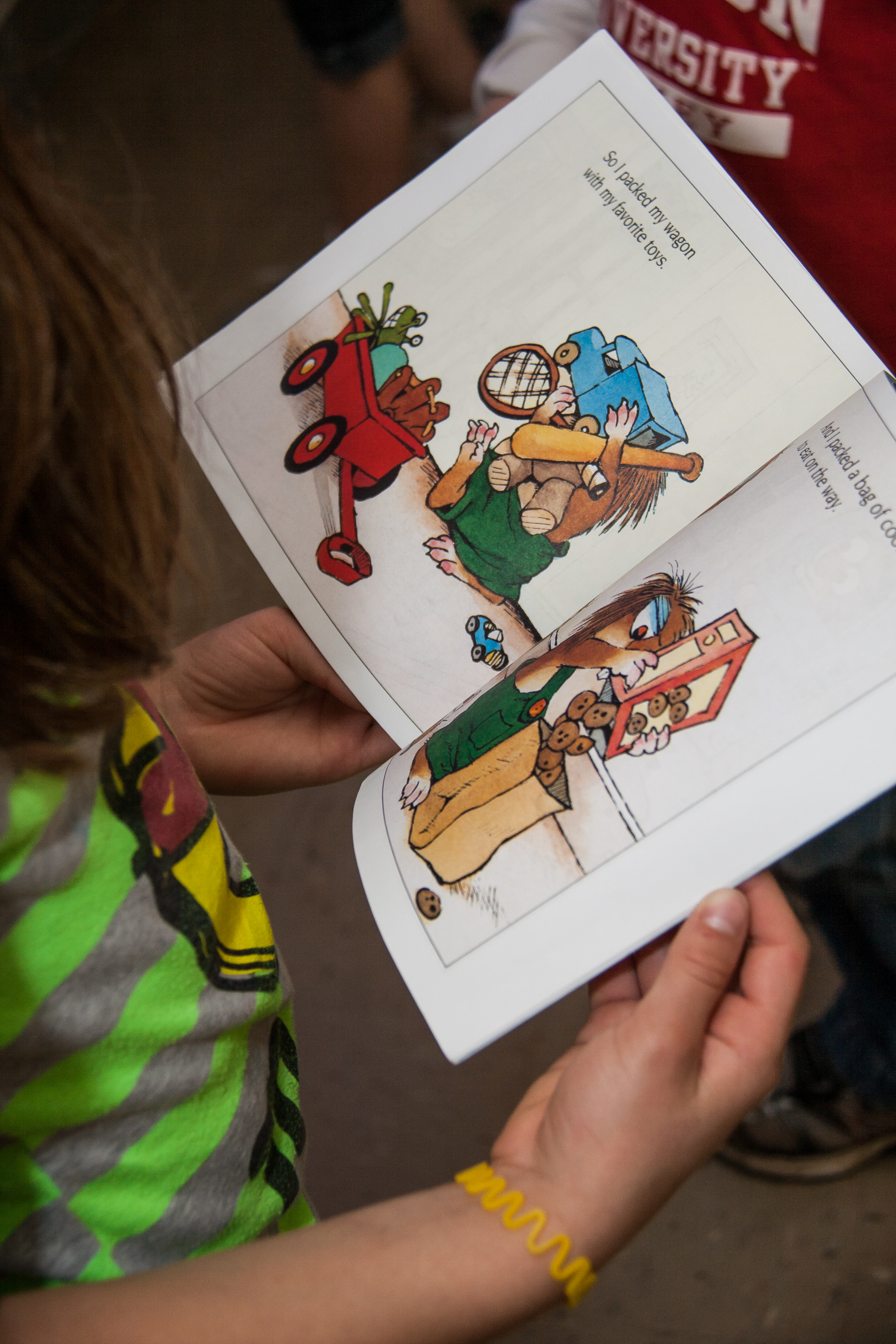
Experiences that support early language and literacy learning

A great book I recommend for early education professionals to read is “Literacy Beginnings” by Gay Su Pinnell and Irene C. Fountas.  Fountas and Pinnell are well respected educators who have published various books about literacy learning. This book is focused on literacy experiences in the preschool classroom; and as such, can be used as a professional development guide for teachers who want to learn more about this topic.

This post is designed to serve as framework for a PD lesson for early educators who want to dive deeper into the chapters of this book. This post will focus on Chapter 5, titled “Using a Framework for Language and Literacy Learning“.

Read “Literacy Beginnings” – Chapter 5

The chapter starts off talking about essential learning experiences that need to be included in a prekindergarten classroom to support children’s development.  Some of these occur daily, whereas others occur over the course of a week. Activities such as circle time, outdoor play, projects (inquiry), choice time, reading and writing time are explained in this chapter. But then the authors talk about those activities that promote language and literacy.

For our exploration, we will focus on the reading activities that are discussed in this chapter.

Literacy Activities

The authors talk about 3 essential literacy activities: Read-Aloud and Shared Reading, Book activities and Library time.

With an interactive read-aloud, teachers read books to the children and talk with them about the story. Teachers can make the story interactive by asking the children questions, talking about new vocabulary, pointing to the illustrations and encouraging discussion.

Shared reading is when teachers and the children read the text together (using big books, flip chart poems or songs or writing a rhyme on the chalkboard).

Book activities are my personal favorite (usually done after one of the above reading experiences). It was great to read in this chapter how children respond to literature by participating in an activity after reading it. 

Library time is when children have the opportunity to explore the classroom library. The authors have recommendations of ways teachers can setup their libraries, and suggest including books that you have read to the class, in addition to having some written by the children. 

Exploring and Sharing Literacy Activities

After reading this chapter, choose ONE of the literacy activities explored and share a way that it can be incorporated into a preschool classroom. The activity can be one that you researched online, or one that you have actually done in the classroom. For example, if you have an idea for a good interactive read-aloud, please share the book and some of the ways you can make that story interactive. Or if you know of a good book activity to help reinforce a story, please share that.

I setup a Padlet below for teachers to share their ideas.  Just click on the pink plus sign (+) in the padlet below to post your idea (which could be a link, photo, video, text, etc).  I added a couple of examples to get started. Let’s fill it up the page with ideas!

Made with Padlet


ISTE standards addressed:

  • ISTE® 3c: Evaluate and select information sources and digital tools based on the appropriateness to specific tasks. (Standards•S © 2007 International Society for Technology in Education. ISTE® is a registered trademark of the International Society for Technology in Education)

English Language Arts Standards addressed:

  • CCSS.ELA-LITERACY.SL.11-12.5 Make strategic use of digital media (e.g., textual, graphical, audio, visual, and interactive elements) in presentations to enhance understanding of findings, reasoning, and evidence and to add interest. (© 2018 Common Core State Standards Initiative)
Exploring environmental print in the preschool classroom

Providing a print rich environment gives children an opportunity to explore and interact with various types of print in a variety of ways. As defined by Amanda Rock on About.com:

In a print-rich preschool environment, preschoolers are exposed to a host of different materials geared at reading and writing. Not only are the materials readily available for little ones to access as they wish, but their use are encouraged on an organic level — their utilization comes naturally, through lessons and play.

When preparing activities or classroom displays, think about print that is meaningful to the children in your class.  One way to do this is with the use of environmental print.

What is environmental print?

Environmental print is everywhere – it is the print of everyday life: signs and logos, comics and catalogs, newspaper and road signs.  There are a variety of fun and meaningful ways to bring environmental print into your lessons and classroom .. here are a few ideas!

Food containers, menus and magazines

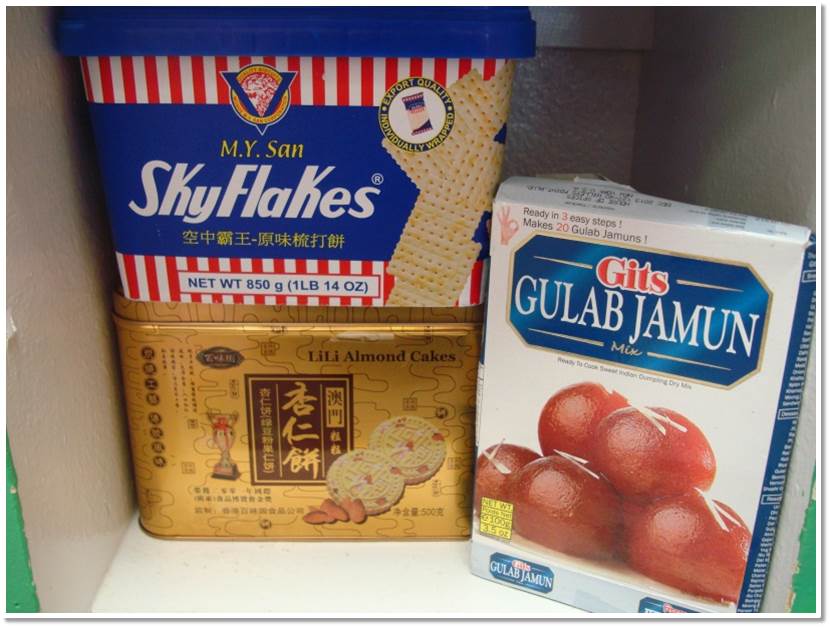
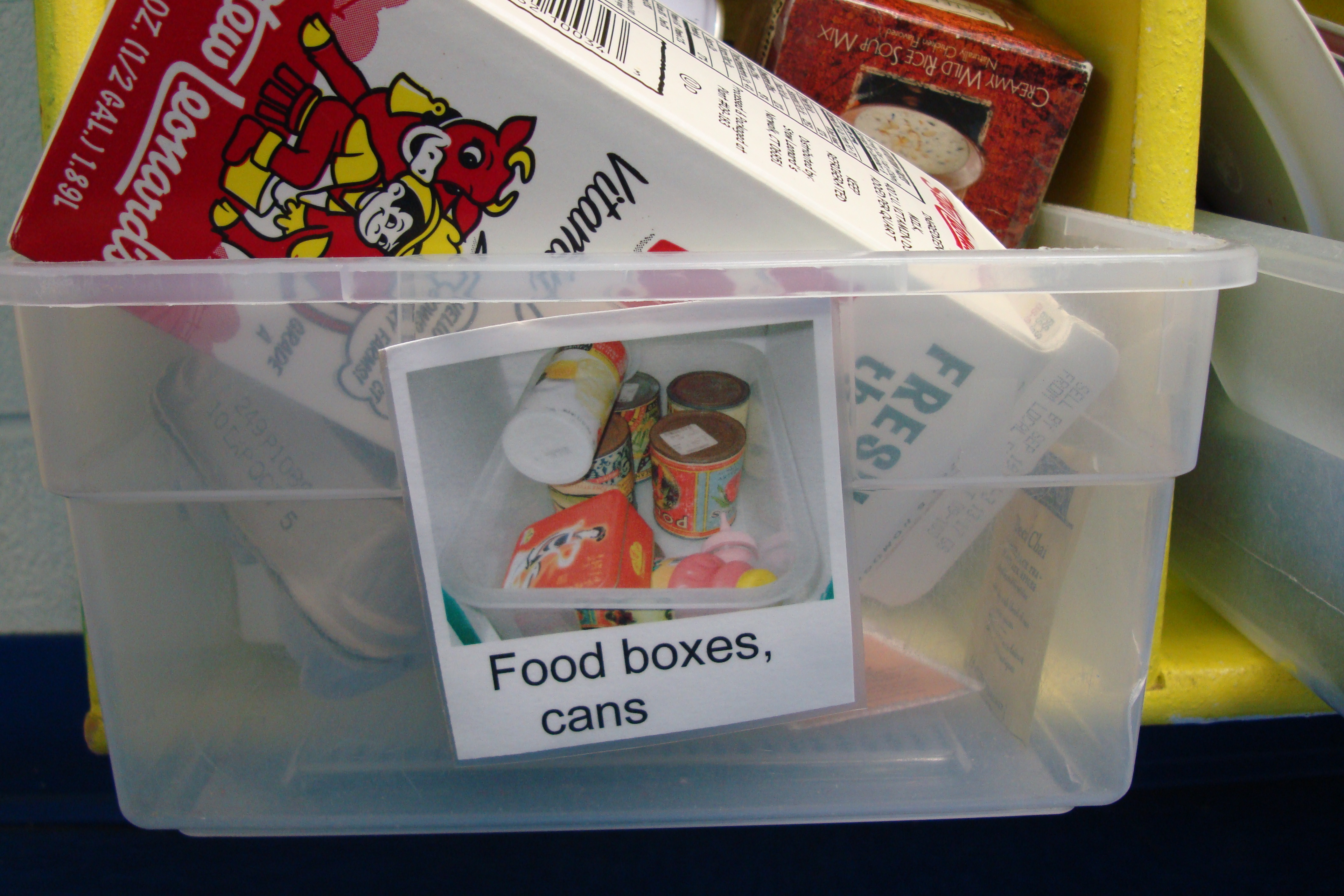
You can provide clean, empty food containers as props in the dramatic play area.  Better yet, have the families bring in food containers from food and products they use at home.  Children will be able to recognize and talk about the food and other items they use at home.

DSC08633

Picture1

This is also a great way to represent the cultural diversity of your classroom!

Picture2

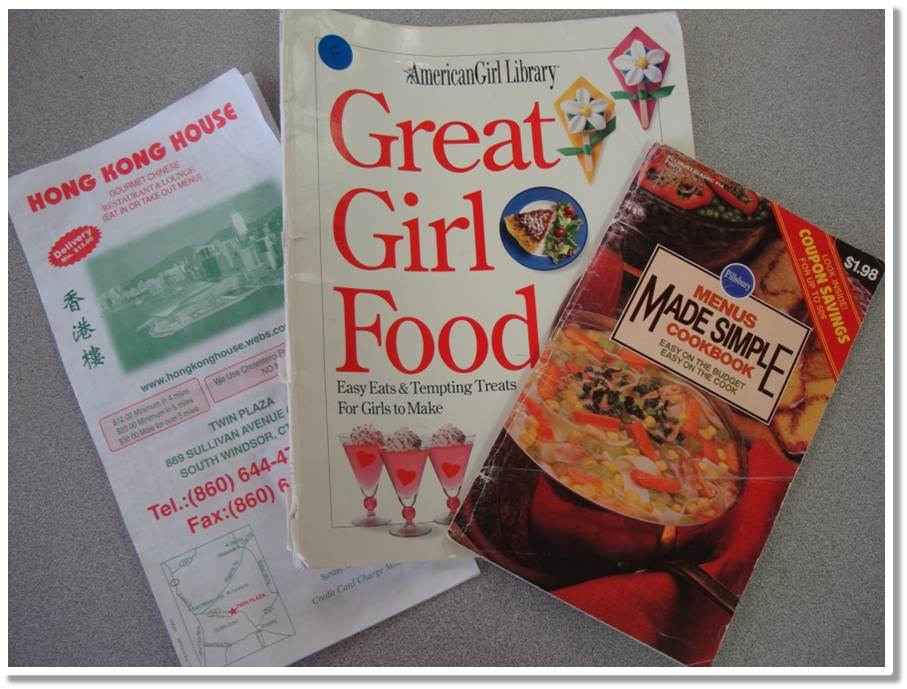
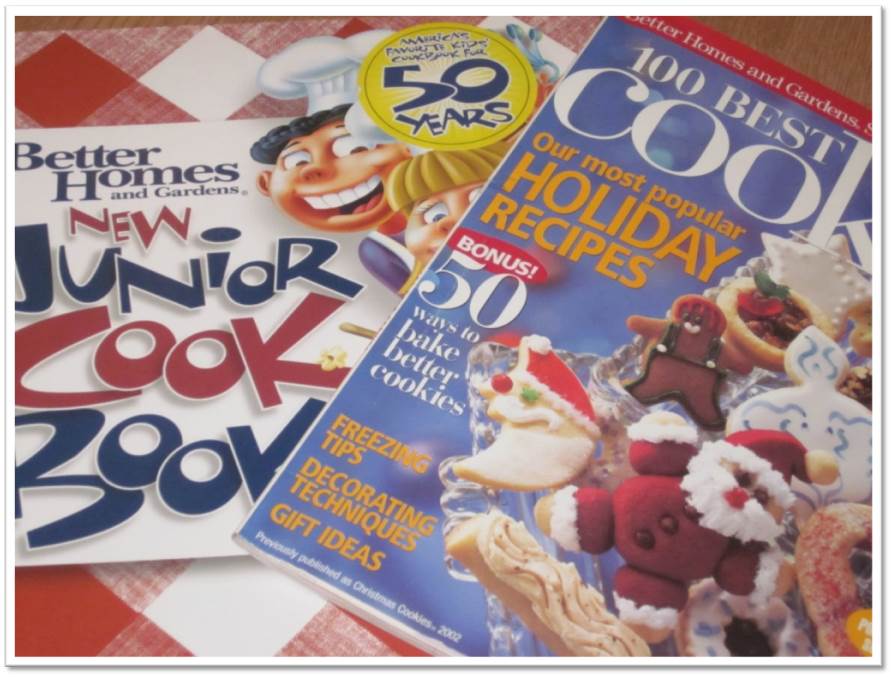
Also bring in magazines, cookbooks and menus as items that children can use in play.  As they pretend they are following a recipe or ordering from a menu, they are “reading” the items in the context of their own experiences.

Picture4 Picture5

Road signs

Pictures of street and road signs are another option for bringing environmental print into your classroom.  Encourage families to talk about what different road signs mean when they are driving around town.

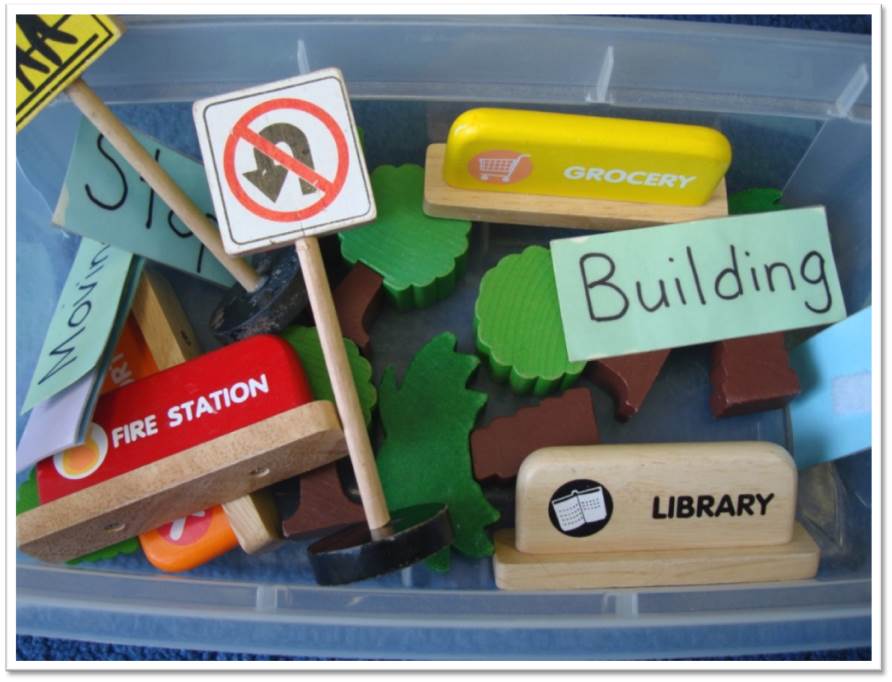
You can include road signs in your block center .. either printing your own signs or buying pre-made wooden or plastic ones.

Picture1

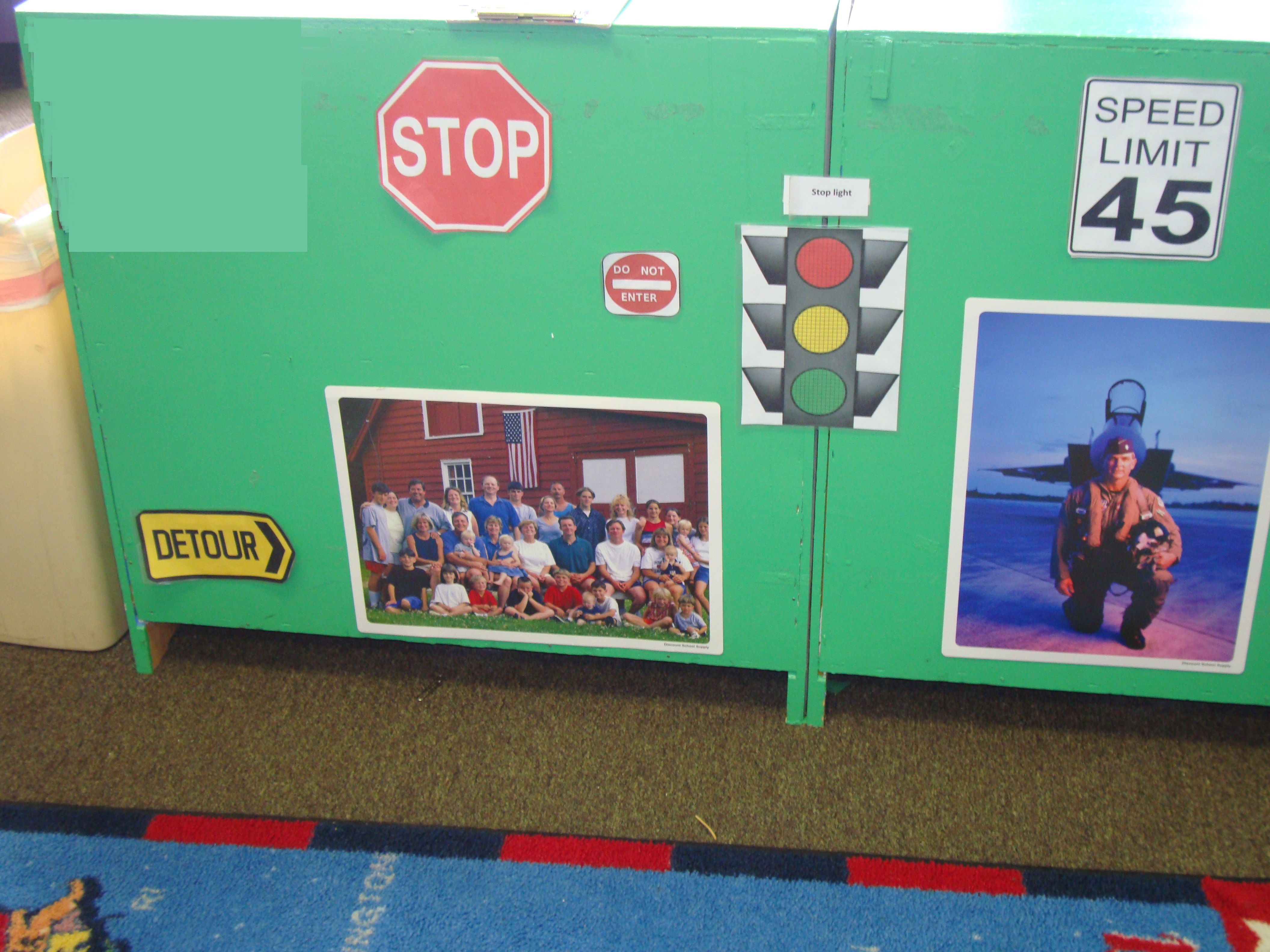
Or print some larger road signs to display on bulletin boards, walls or backs of cabinets.

DSC08106


Cereal box puzzles

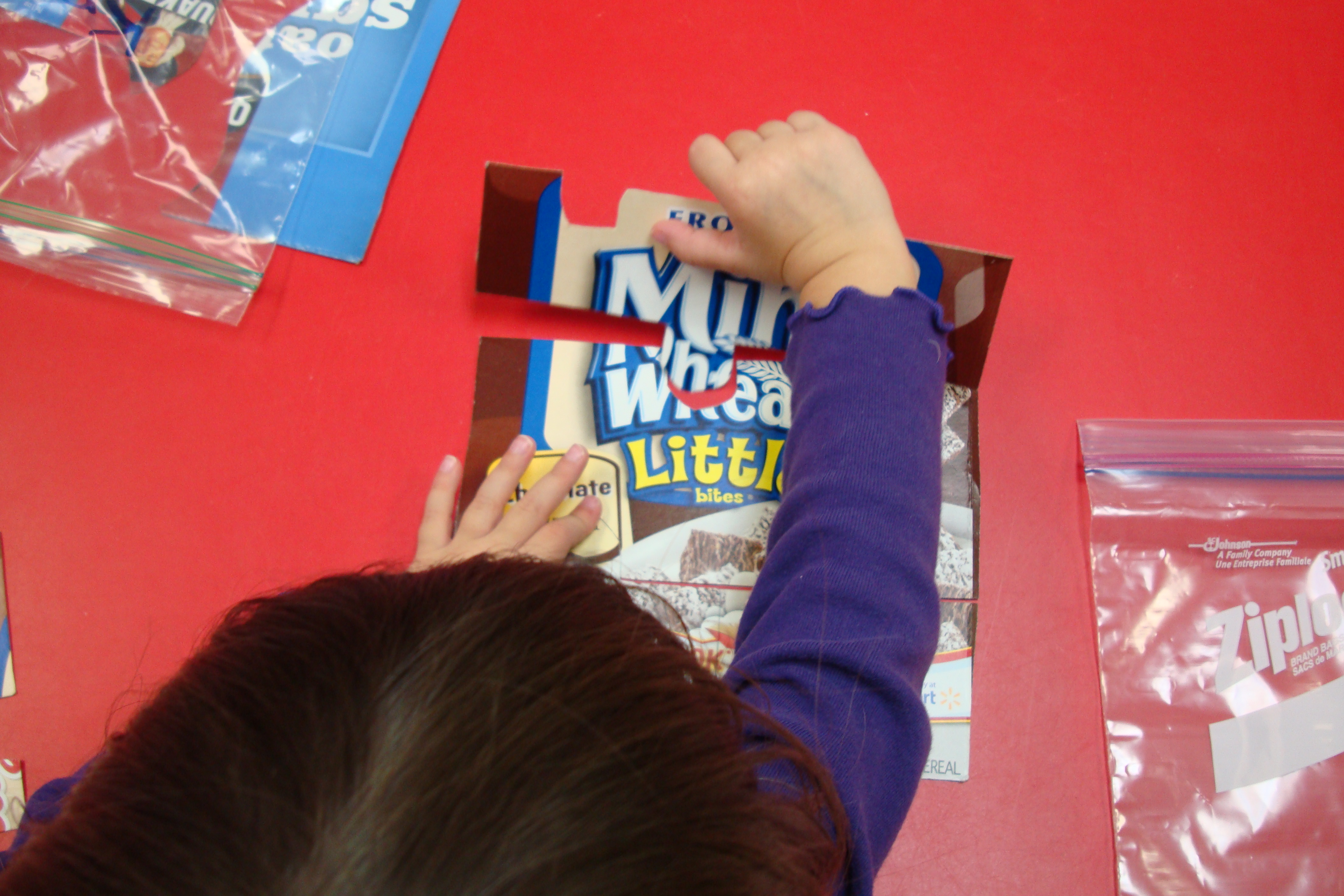
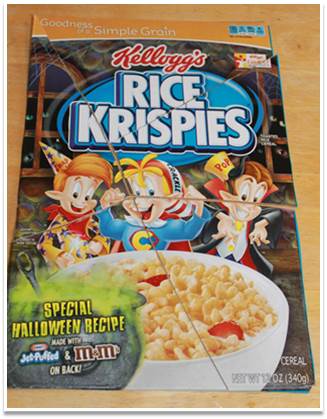
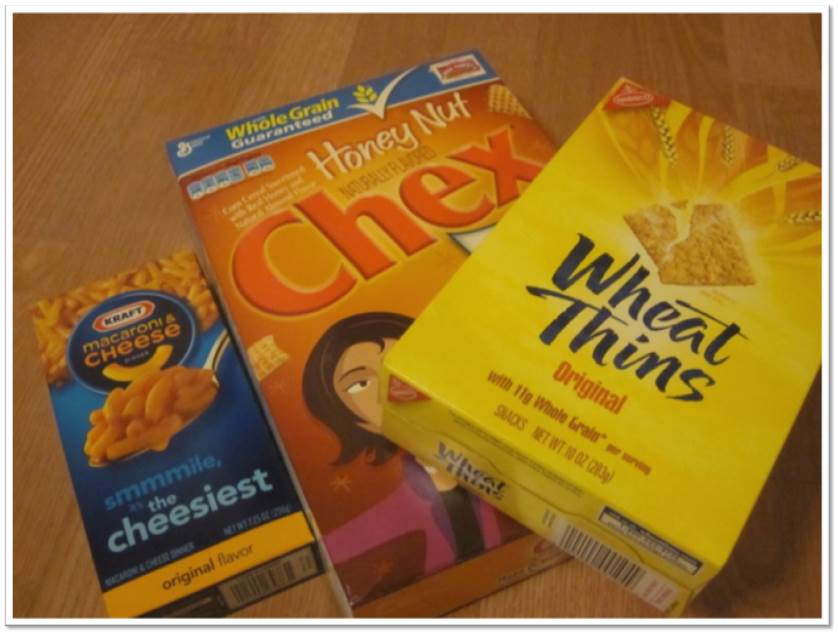
Another simple way for children to play with environmental print is to make some cereal box puzzles. Ask each child to bring in the empty box from a favorite cereal.  Teachers can then cut off the front, and then cut the cover into pieces like a puzzle.  For younger preschoolers, cut it into 2-3 large pieces – add challenge for older preschoolers by cutting into 4-6 pieces.

DSC04515

Put each box into a ziploc bag (to keep each cereal puzzle together).  Children can then try to put together the cereal box puzzle. Not only will the picture on the box give them clues to putting the puzzle together, but so will the PRINT.  Ask them to read it to you when complete!

Picture3

Vanessa Levin (Pre-K Pages) also has a lot of information and ideas for using ENVIRONMENTAL PRINT in her classroom, including using empty cereal box covers or lunch packaging to make a classroom book – check it out:  Environmental Print | Pre-K Pages

How do you currently incorporate environmental print into your preschool classroom?

Consider the diversity of your students, neighborhood landmarks and culture of the community. Can you brainstorm other ideas of print that would be meaningful to the children in your classroom?  How could you incorporate this type of print into a future activity?

Digital Storytelling in Early Childhood

My favorite part of teaching young children has always been STORYTIME!  I love the language of a really good children’s story, and how it can both delight and educate at the same time!  There are so many benefits to reading and engaging in storytelling activities with young children. 

Digital Storytelling

I am currently taking a graduate course where I am learning more about integrating technology into storytime through digital storytelling.  In exploring how this could be useful in an early childhood classroom; I crafted an instructional digital story to explain digital storytelling and how it can be used to support and enhance the curriculum.  Take a look below!!


Digital Storytelling Examples

Interested in what an end-product COULD look like for an early childhood class?  

The first example below is a digital story using photographs, music and student narration on how apples grow, after a class field trip to an apple orchard. 

This second example called “Train Parts: A Preschooler’s Digital Story” uses children’s illustrations and text with narration.  Notice the early writing skills demonstrated.

[Published by Ruth Ayers, 2011]

This example uses an online tool called Book Creator. 

You can explore more about using Book Creator in the Elementary Classroom.

I hope this information gives you a glimpse into the possibilities of how digital storytelling can be used in a preschool class.  Future blog posts will focus on some of the digital tools teachers can use for digital storytelling and other literacy activities!


Feedback

I’d love to hear from you!  Let me know your feedback so I can improve and add relevant information to support early childhood teachers who would like to explore digital storytelling.

Below are some prompts to guide your feedback. Please let me know your thoughts in the “leave a reply” section below.

  1. Did you find this video story useful in understanding what a digital story is, and how it can be used in early childhood?
  2. Did this video help you understand the benefits of creating a digital story in an early childhood classroom? Are there any other benefits that were not mentioned that you would like to share?
  3. What was the favorite thing you learned?
  4. What are some opportunities for improvement in the content or production of this video story?
  5. Any ideas/input of what content you would like to see in the future?

E-books in early education

Digital books or e-books can be used by early childhood teachers as a tool for storytelling. Teachers can work with preschoolers to co-create digital books with photos of the children’s play or work and attach audio files with child/children as the story narrator.

Young children can be involved in the making of a digital story in a variety of ways, such as:

  • taking photographs with a digital camera
  • acting out scenes
  • drawing pictures
  • narrating the story with their own words


Book Creator

Book Creator is a simple digital book-making tool available for both iPad and the web. Teachers in early childhood can use this tool to make their own simple books with images, videos, and audio. The free version of the tool allows the creation of up to 40 books. The example above is a simple e-book of a class field trip to an apple orchard, using pictures taken from the trip using Book Creator.

Have you used other online apps/tools to create any digital books with your class?  We’d love to hear about them and feature them on our website!  Share in the comments below, or email us!

Create fun worksheets for your kindergarten class

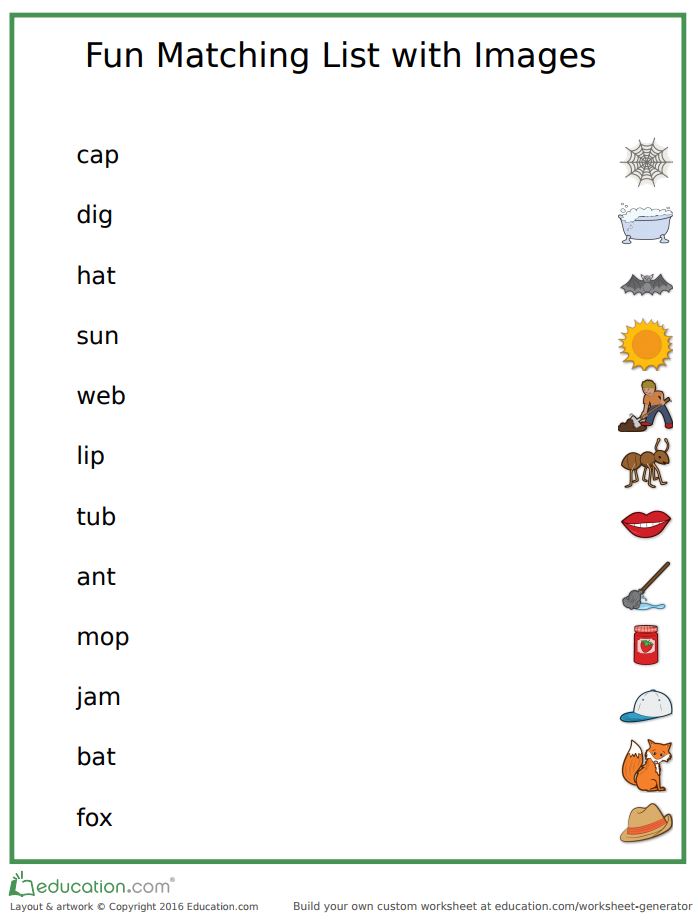
Looking for an easy way to create worksheet resources for your kindergarten class? Check out the free worksheet generator over at education.com.

Here’s a sample worksheet to spark your little one’s reading skills with this fun matching game.


This guest post was sent to us by Education.com, an award winning educational materials like worksheets, games, lesson plans and activities designed to help kids succeed.


The leaves are falling in preschool … a Book & Boogie activity

Today we are sharing one of our Fall season Book & Boogie selections (where we incorporate books and literacy with music and movement activities) – and extending the fun and learning by adding a fine motor craft activity to go along with it.

The Book

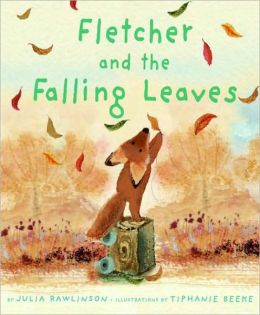
Fletcher and the Falling Leaves”  by Julia Rawlinson

I really enjoy this sweet story about Fletcher the fox and his favorite tree!  Fletcher doesn’t understand what is happening to his tree as it is changing colors and losing its leaves. Fletcher tries to help and find ways to stick the leaves back onto the tree (but even the children will realize that this is a hopeless effort) … and poor Fletcher is sad.  But when winter comes, Fletcher gets a big surprise!

"Fletcher and the Falling Leaves" by Julia Rawlinson,   Tiphanie Beeke (Illustrator)

The Music

The music that Tressa selected to go along with this story is called The Leaves Fall in the Fall” –  by Ernest S. Papay, kids’ songs! – Kid Karoake – Songs for the Young and the Young at Heart (can be found on iTunes).  Have the children stand up, listen to the music and put their hands in the air and wiggle their fingers like the leaves in the trees.  When the music says “the leaves are red … and falling” – wiggle your fingers all the way down to the ground.  You can even give children real, fabric or paper leaves as they dance.  Use swaying motions, like the leaves swaying as the wind blows them off the tree and down to the ground.

The Activity

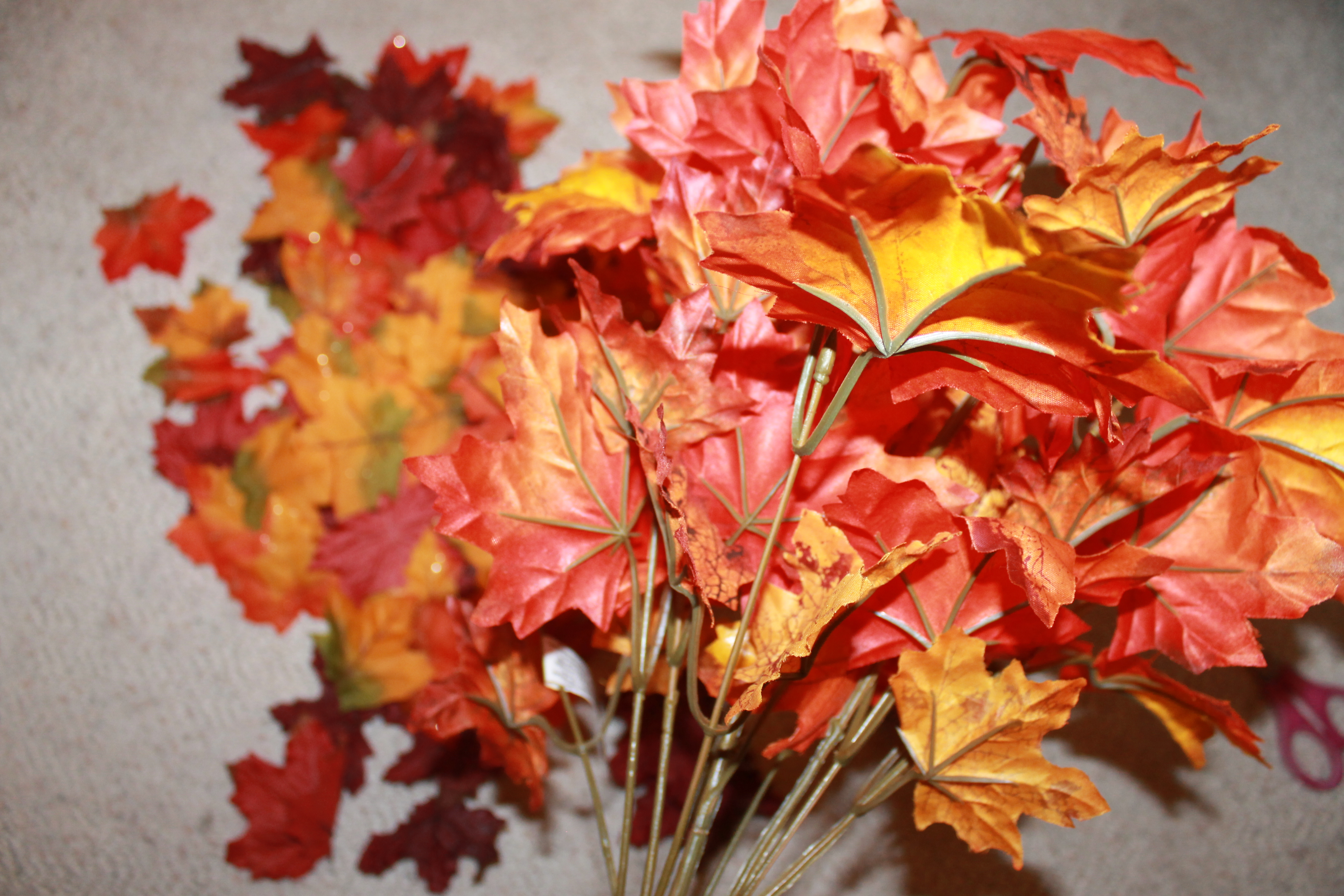
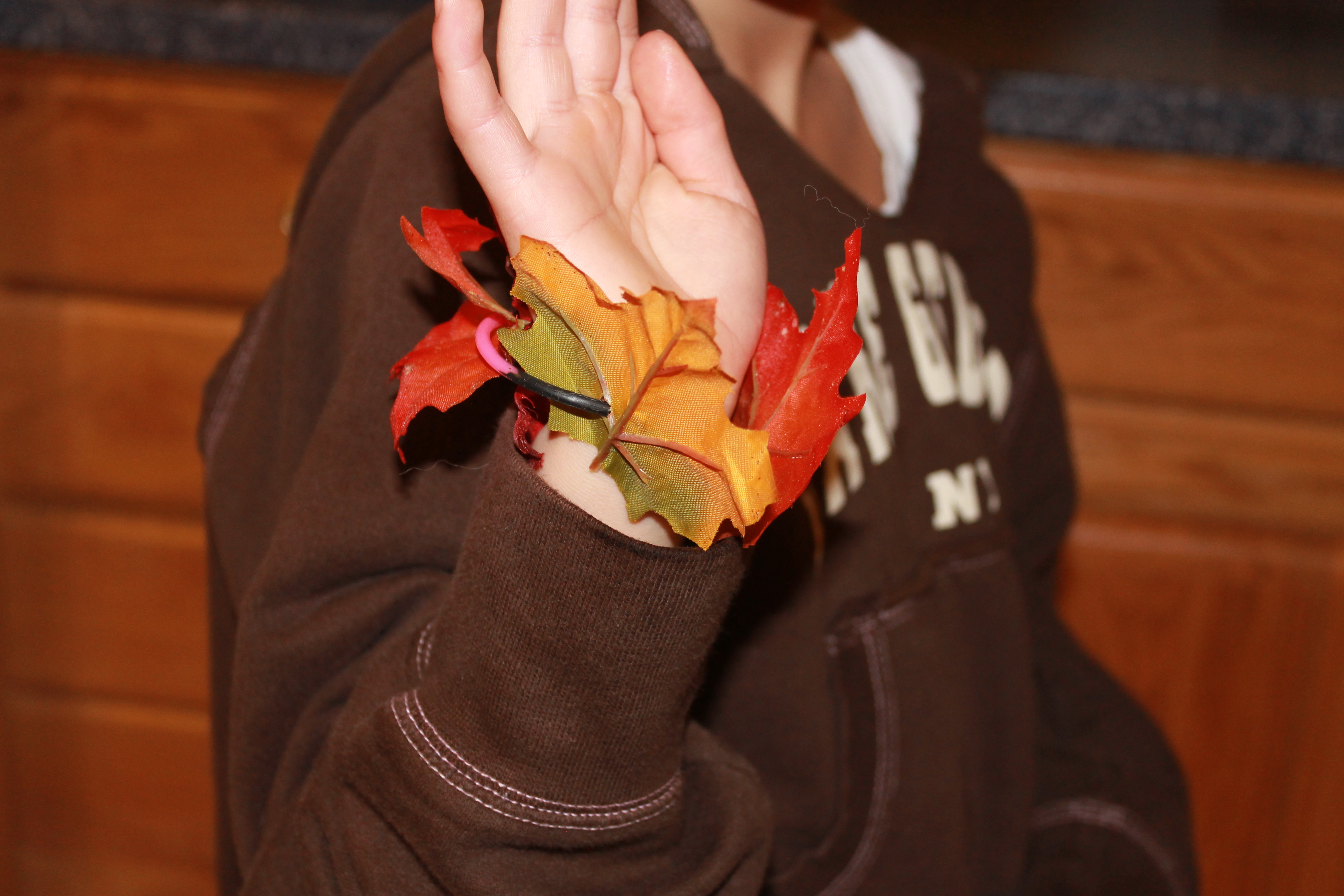
After your story and your boogie … invite the children to make some simple leaf bracelets.  We purchased fabric leaves from our local craft store (and we did it AFTER Halloween when the fall decor is discounted in price).

IMG_9117

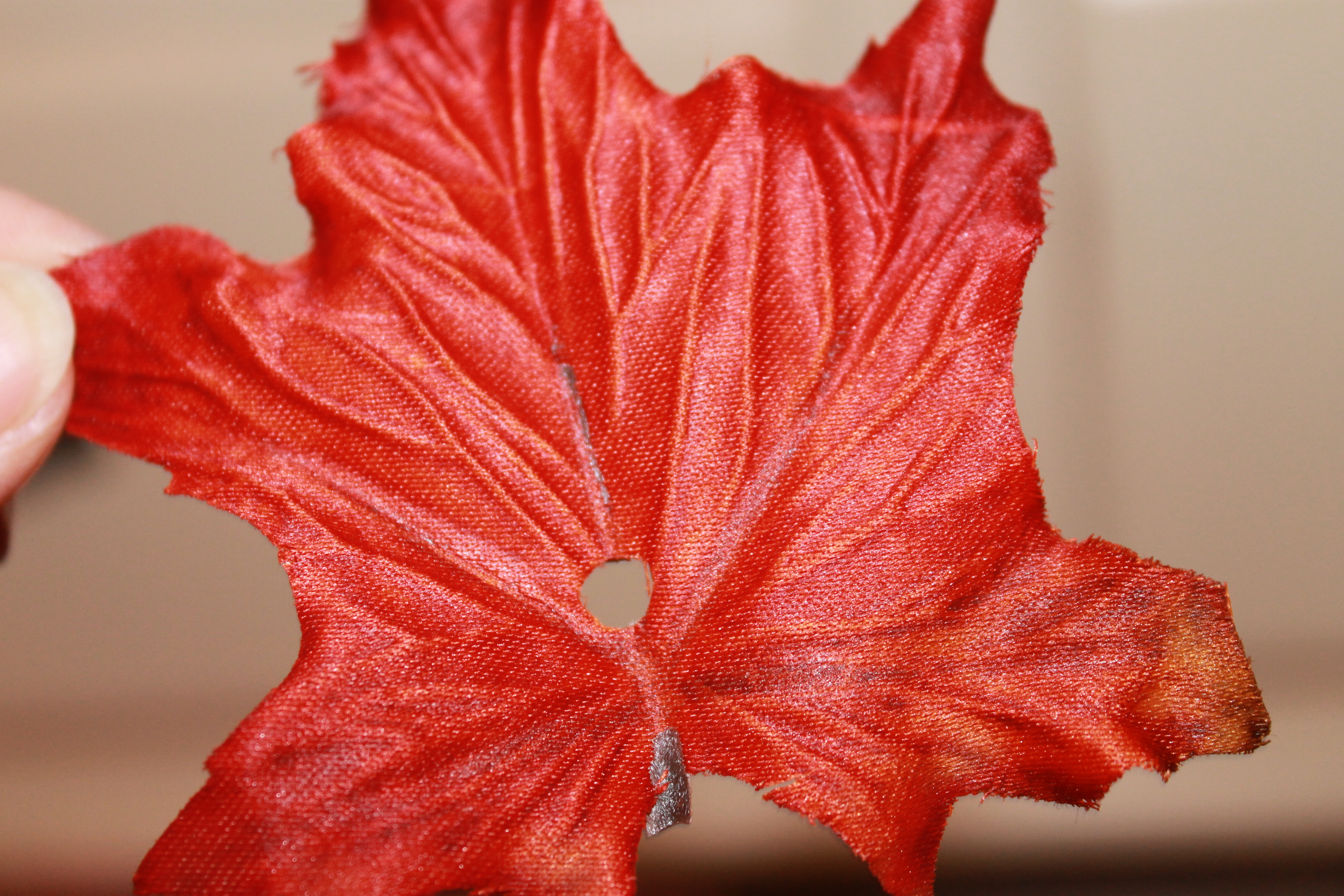
I snipped off all the leaves from the plastic stems, and then punched a hole into each of the leaves.

IMG_9125

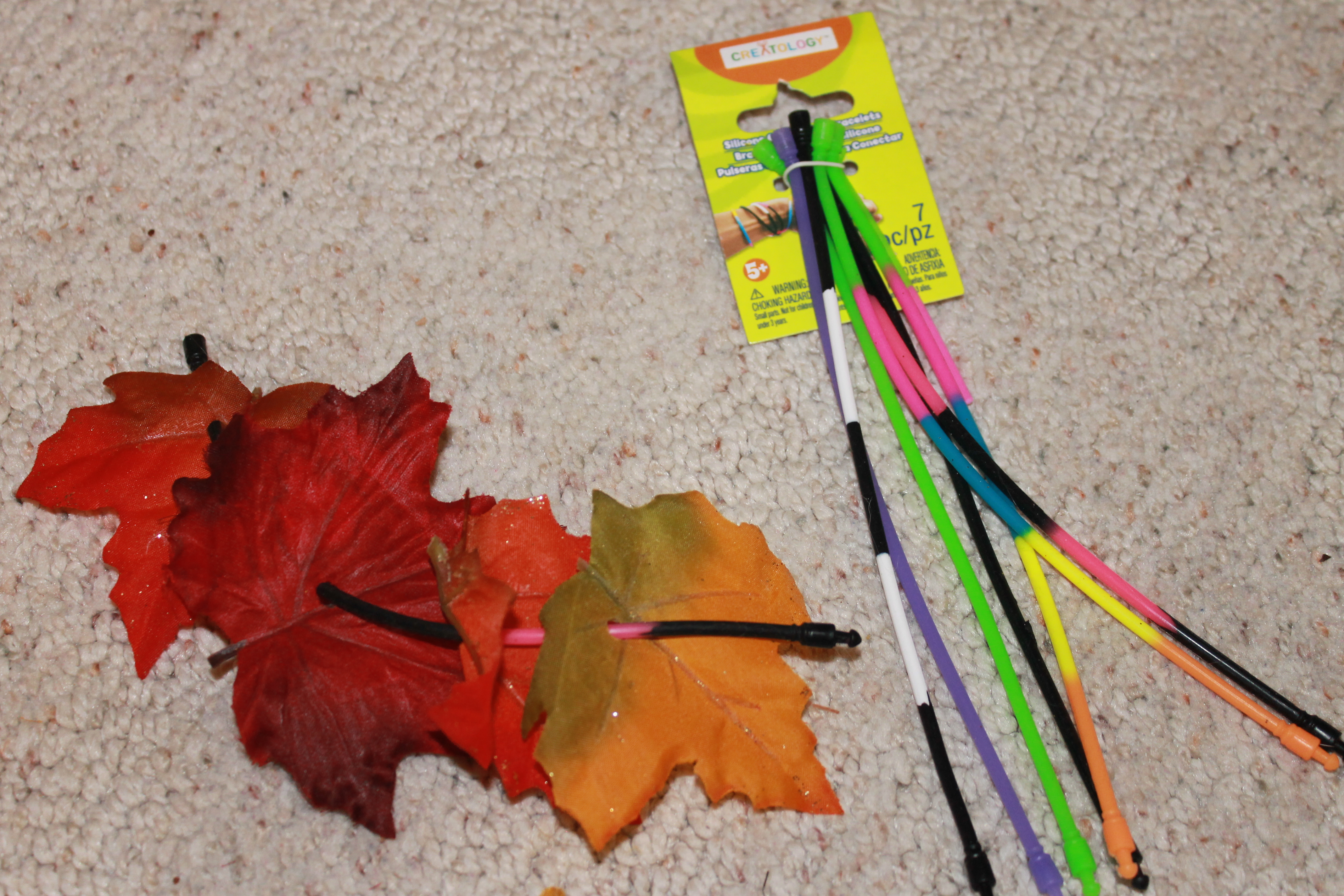
We bought some rubber bracelets, (but you can use pipe cleaners, as an alternative) and have the children string some leaves through them.
IMG_9126

Voila! Very simple, but a great takeaway activity after the story and music!

IMG_9131

As the song says … “It’s just that time of year!

Celebrating Dr. Seuss in preschool

CelebratingI may be going out on a limb here, but I imagine almost EVERYONE has a favorite Dr. Seuss story that they remember growing up. My personal favorite Dr. Seuss book is … “Green Eggs and Ham” … hands down! I could recite it by heart! For my children, it’s “The Cat in the Hat“.

We are coming up on March 3rd and NEA’S Read Across America Day.  Read Across America takes place each year on or near March 2 … and schools and libraries across the country participate by bringing children and books together. This year’s theme is “Get ready to grab your hat and read with the Cat in the Hat“!  How will YOU celebrate?


Looking for some fun Seuss-related activities to go along with your reading?

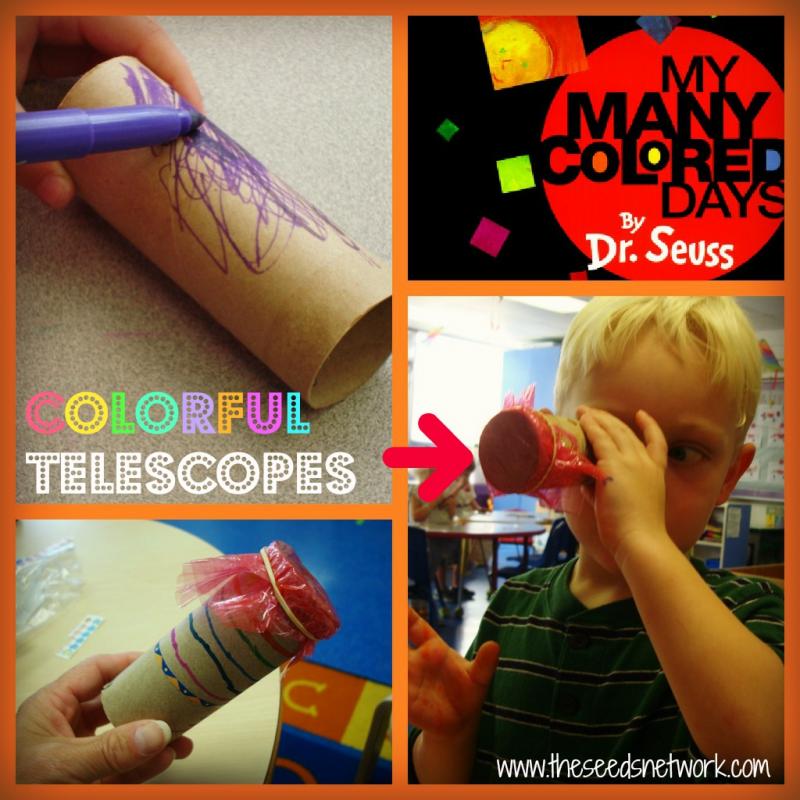
We have a few Dr. Seuss favorite activities that we have done .. such as:

colorful feeling telescopes

AND

ice cube painting

But there are SO, SO, SO many wonderful Dr. Seuss activities around the web as well … so this post is all about sharing some of those great ideas with you!

Some of my favorite preK Dr. Seuss ideas:

Handprint Things on parade (Joyfully Weary)
Cat in the Hat Fruit Snack (Muffin Tin Mom)
Cat in the Hat Ice Cream Cone Snack (Motherhood on a Dime)
Green Eggs and Ham craft (Teach Preschool)
My Many Colored days door decoration (Room Mom 101)
One Fish, Two Fish graphing (Oopsey Daisy)

Want more Seuss? Check out …

Dr. Seuss Pinterest board
Seussville.com

And, check out this GREAT video clip of “Mr. David” as he puts a playful hip-hop spin on “Green Eggs and Ham”!

Ok, so share … what is YOUR favorite Dr. Seuss book?

Opportunities to explore print and fonts in preschool

In an early learning environment, a print-rich environment is one that provides opportunities, tools and materials for children to see and use written language for a variety of purposes.  We start by teaching our young children the alphabet, helping them to learn to recognize each letter in preparation for reading and writing as they grow.

In the digital world we live in, children will see the letters of the alphabet and words printed in a variety of font styles.  From street signs, restaurant and store logos (i.e. Dunkin Donuts, Target) to food logos (i.e. Cheerios) – children are exposed to print in a variety of font styles and colors.

Viewing the alphabet in different fonts

The basic elements that comprise the formation of letters of the alphabet remains the same (for the most part) in many fonts.  For example, the letter “A” is made up of two lines that come to a point at the top, with a short line connecting the other lines horizontally.  So, children can begin to recognize that “A” can look like …

LetterA

… even though the font is different in each case.

ACTIVITY: Exploring alphabet letters with many font styles

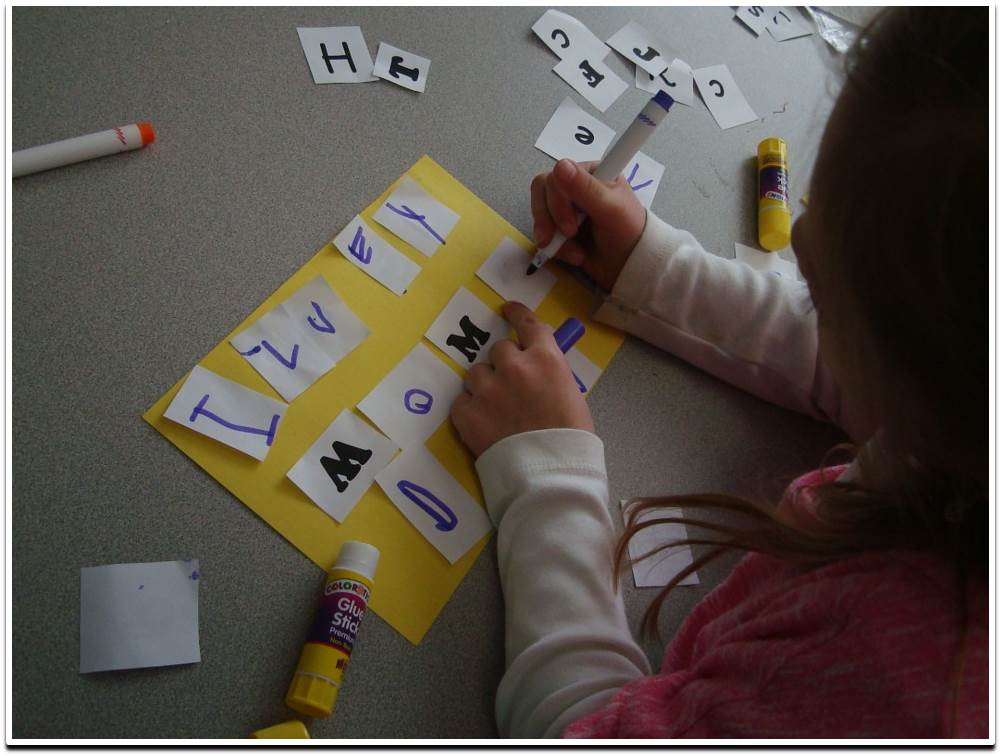
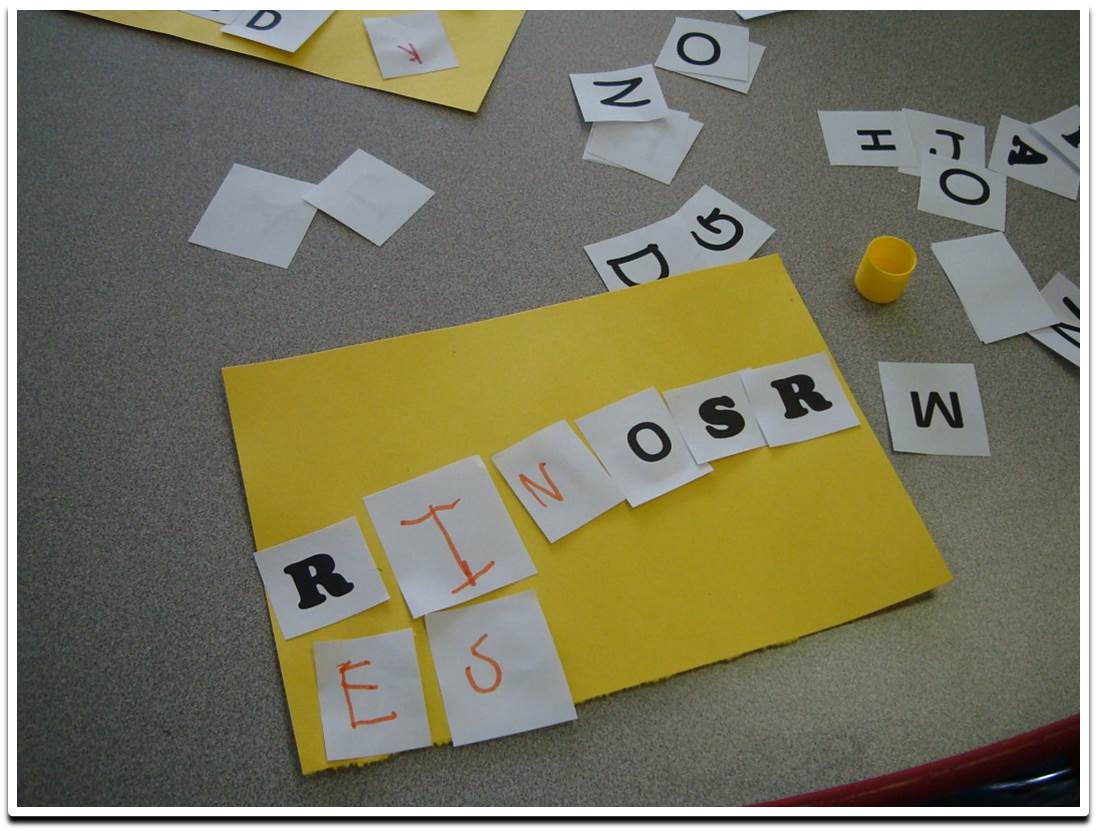
A great addition to your classroom or homeschool writing center is to add pre-printed alphabet letters of various fonts.  Using a word processor and printer, you can print up some letters and cut them out into squares.  Then leave them out and allow children to explore as they wish.

Many children will initially seek out the letters of their name, or try to spell words they know (like “MOM” or “YOU”).

Picture2

But then, they may try to sound out other words.  And if they can’t find the letter they want, they may improvise!

Picture1

By leaving this activity open-ended, it allows children to explore the alphabet at their own pace and in a way that makes sense to them.

ACTIVITY:  Clothespin Letter Matching

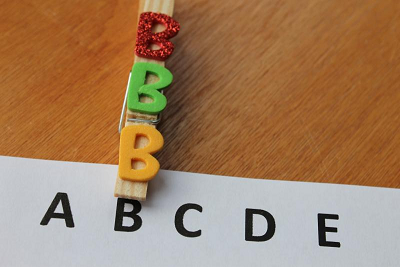
Another idea is to do a letter matching activity.  The picture below uses foam sticker letters attached to clothespins – and a printed paper with alphabet letters.  Children then try to attach each letter clothespin to the matching letter on the paper.  Great fine motor activity combined with literacy!  You can change it up with a new printed sheet each week in a different font.


clothespin2


OTHER IDEAS:  Take a look at our post that shows some ways to explore letters and fonts through the use of environmental print in the classroom!

Our “Many Colored Days” ice cube painting

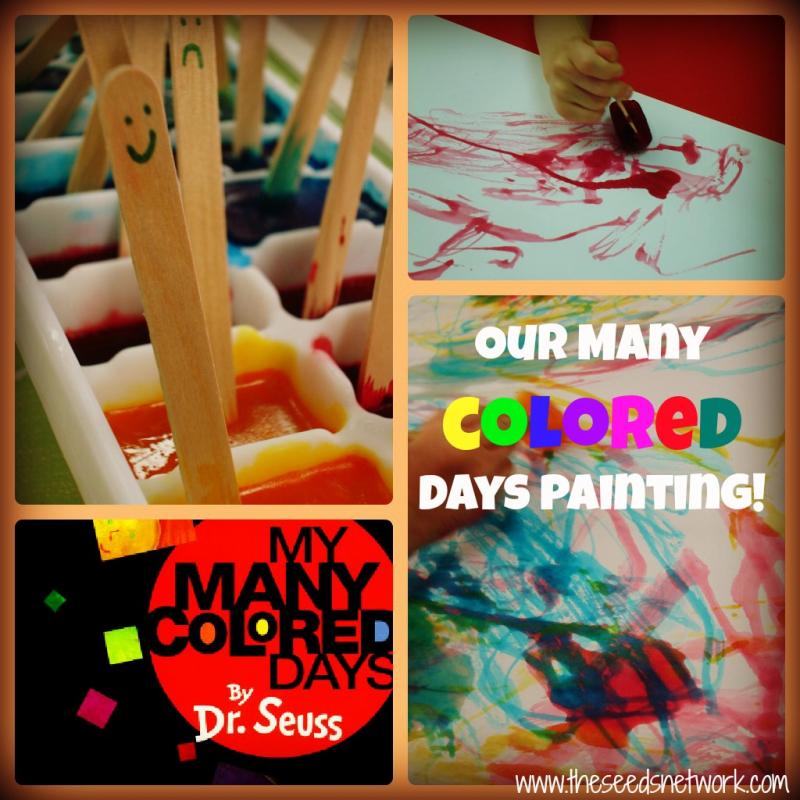
ice cube paintingA good story to read to preschoolers to discuss feelings is “My Many Colored Days” by Dr. Seuss. Each day is described as a particular color, with an animal that corresponds to that feeling.  The use of colors and animals helps to explain feelings in a way that children can start to understand.  For example, on a yellow day there are busy, buzzing bees – and children can pretend to buzz and flap their “wings” quickly to try and understand how it might feel to be a bee (i.e. a yellow day might be a busy day, or a day when you have a lot to do).

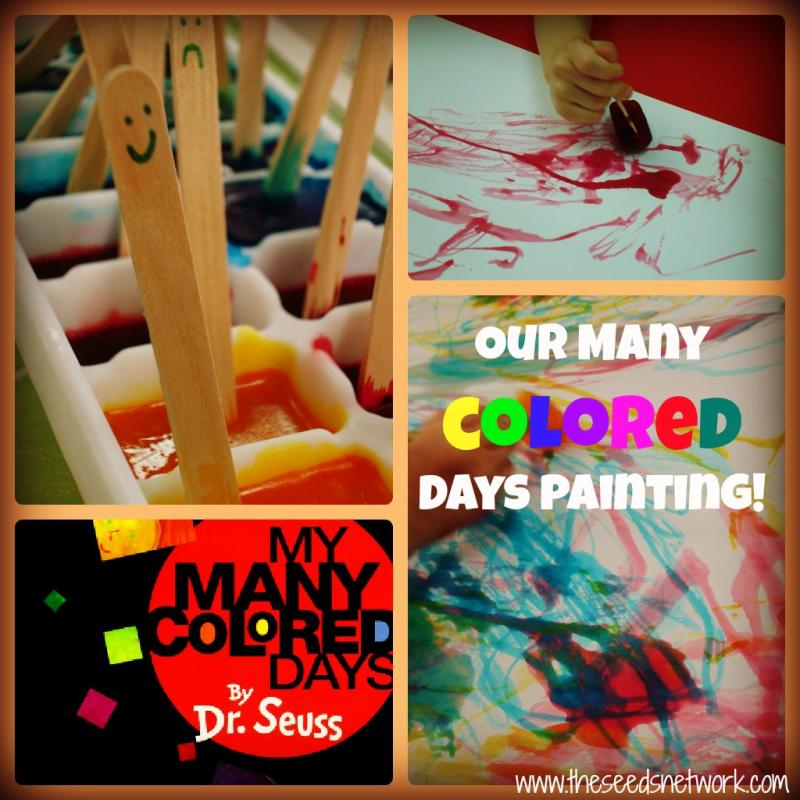
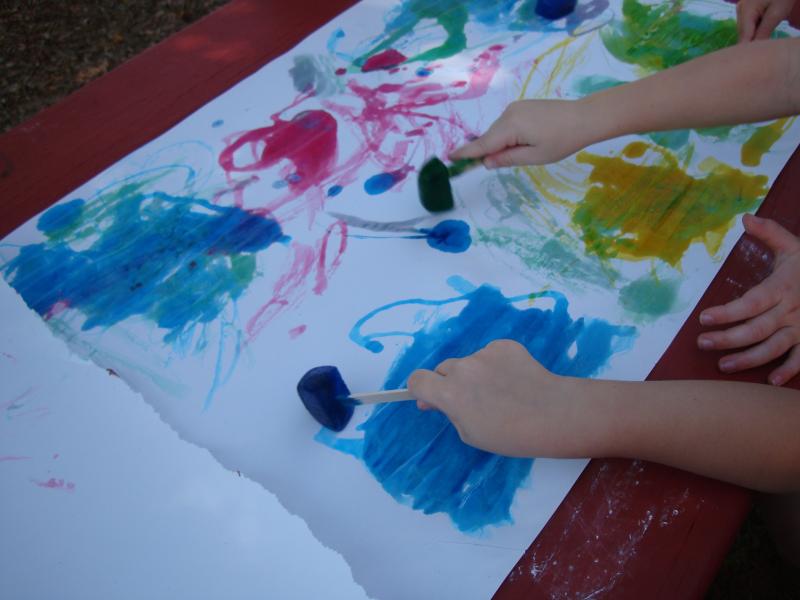
After reading the story, the children make a colorful group painting using colored ice cubes – which is simply food coloring and water, or liquid watercolor that is frozen. ** These would need to be prepared the day before – before cubes are fully frozen, stick craft sticks in each cube. **

Take a marker and put happy, sad, mad or excited faces on the ends of the craft sticks. Take out a sheet of large white easel paper and show children the colored “feeling” ice cubes.   Allow the children to experiment with using the cubes to paint onto the white paper.   Discuss some of the feelings from the story as they paint.  Ask them if they can identify the “feeling” that is represented on the cube stick they are painting with.  How does that color make them feel?.

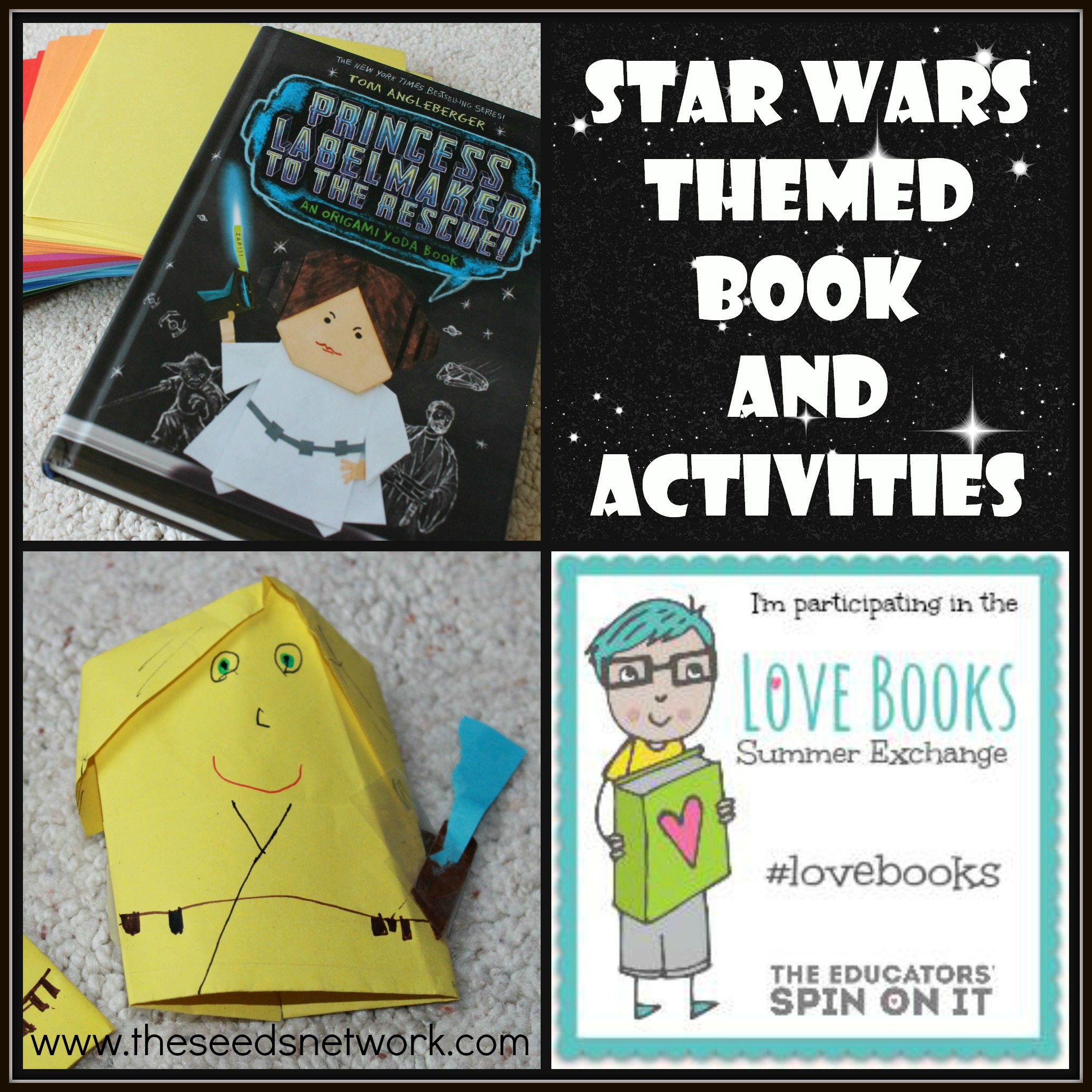
Love Books Summer Exchange: Princess Labelmaker to the Rescue!

I am again excited to be part of in this year’s Love Books Summer Exchange hosted by The Educators Spin On It! We were paired up with another blogger to exchange a book and activities with each other to promote Summer reading.

lovebookscover

My youngest and I participated last year and enjoyed both putting together a book package and receiving one … so we definitely wanted to do it again this summer!  [Take a peek at the package we received last year!]

This summer we were paired up with Natalie and her daughter from Planet Smarty Pants, and we received the following package ….

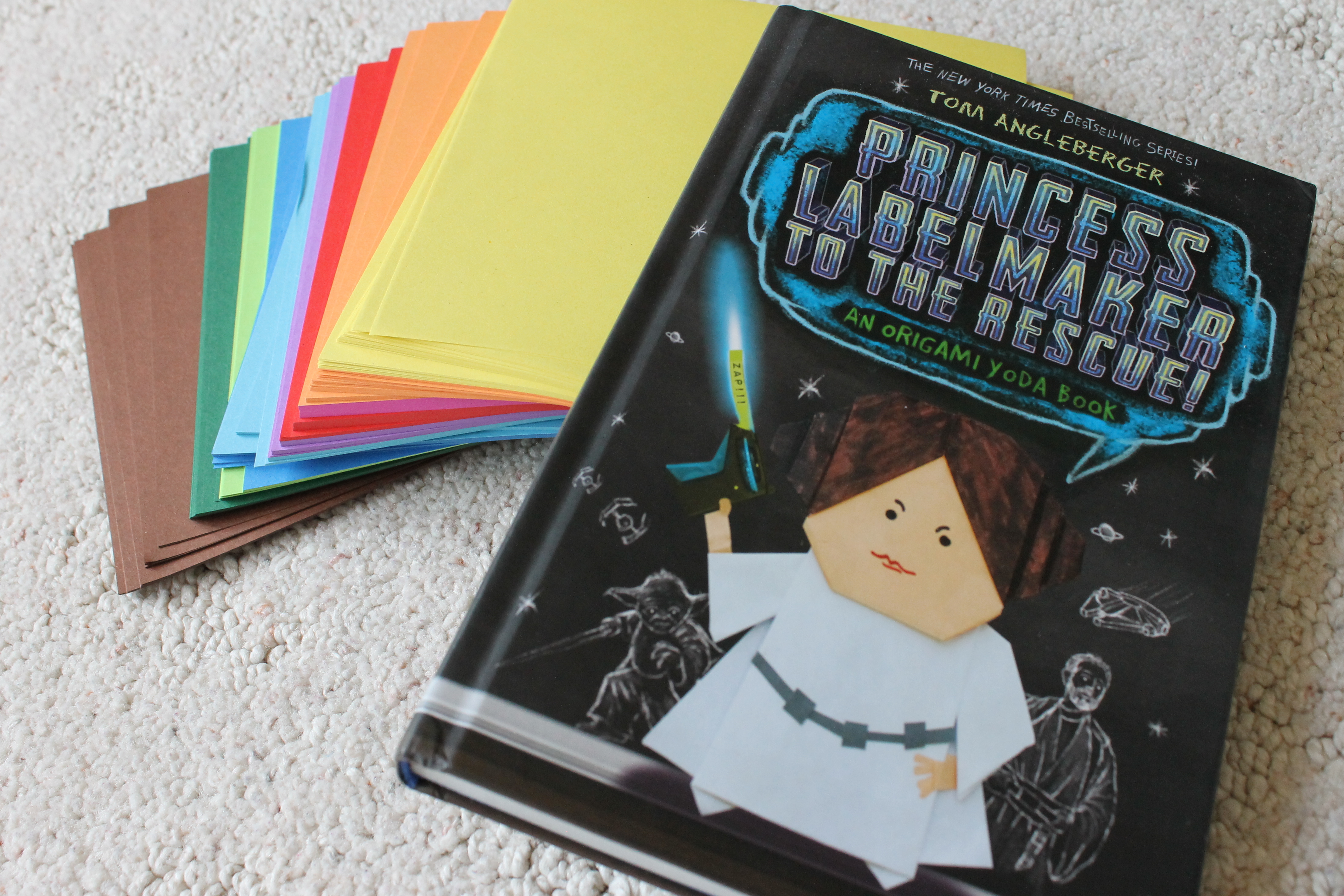
IMG_9829

What luck that my youngest is a Star Wars fan!

Reading Aloud

The premise of this book was a little different from books that my daughter has read in the past, and seemed like the perfect opportunity for a read-aloud.  This book, Princess Labelmaker to the Rescue (part of the Origami Yoda series), is set in a middle school where there is a war against the “Fun Time Menace” (a.k.a. the standardized test-prep program).  I asked my older children to each read some chapters to my youngest (a great activity they could share together).  And they each did an activity with the origami paper that came with our package.  Here’s what they came up with …

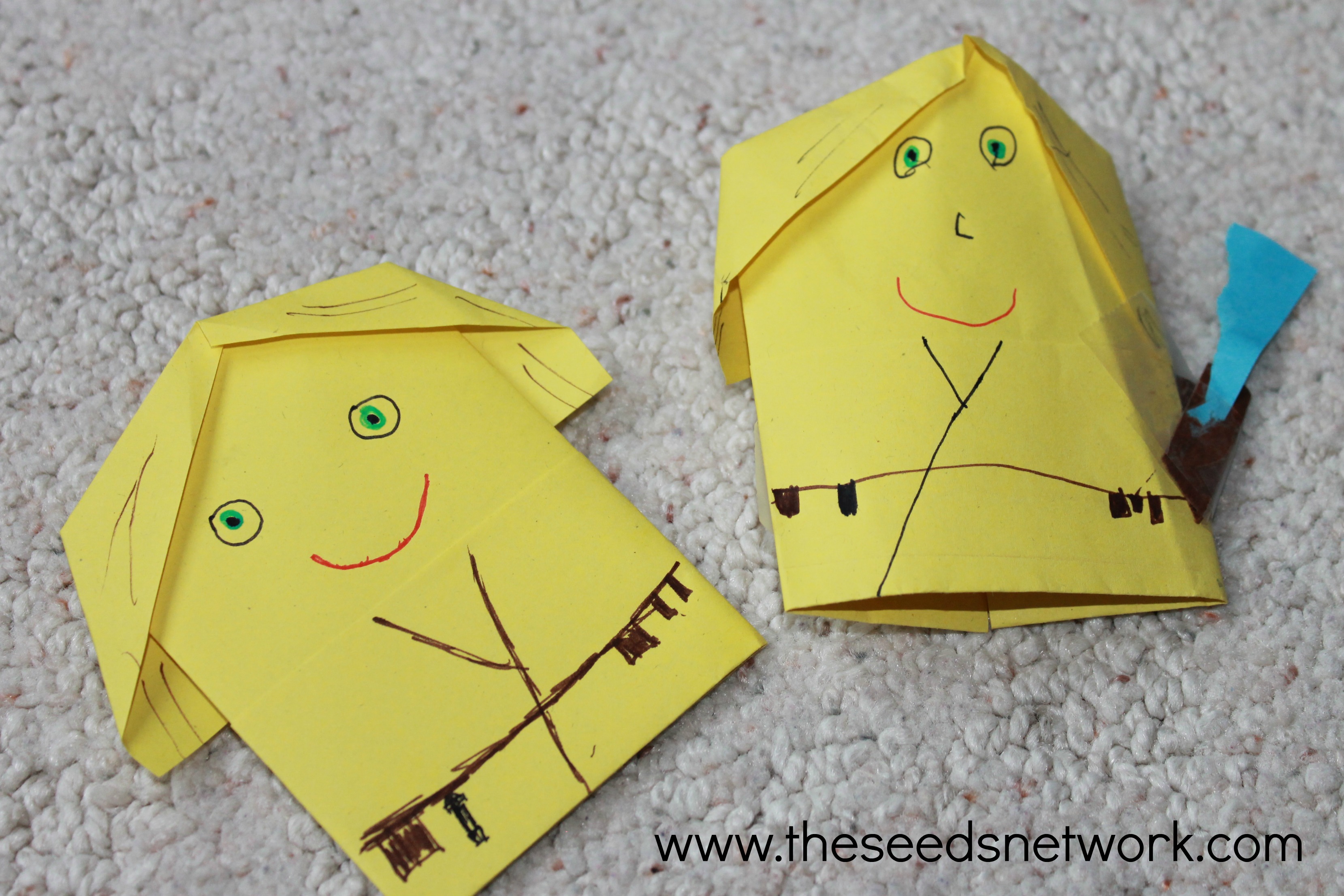
Origami Luke

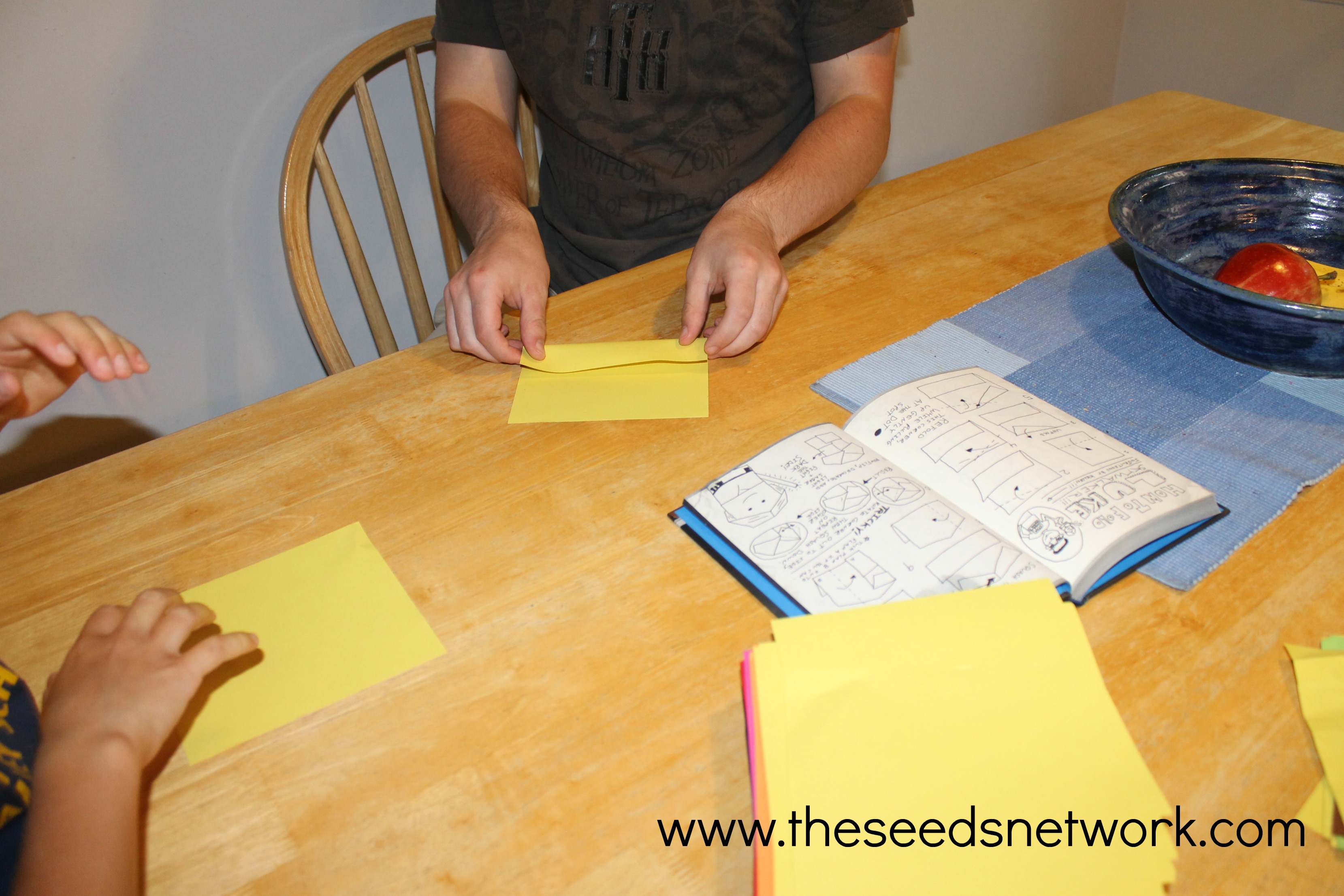
My oldest son, (also a Star Wars and Origami fan), was happy to help his younger sister make an origami Luke Skywalker from the instructions at the end of the book.

origami4

Luke Skywalker is all made from the folding of one square piece of paper.

origami3

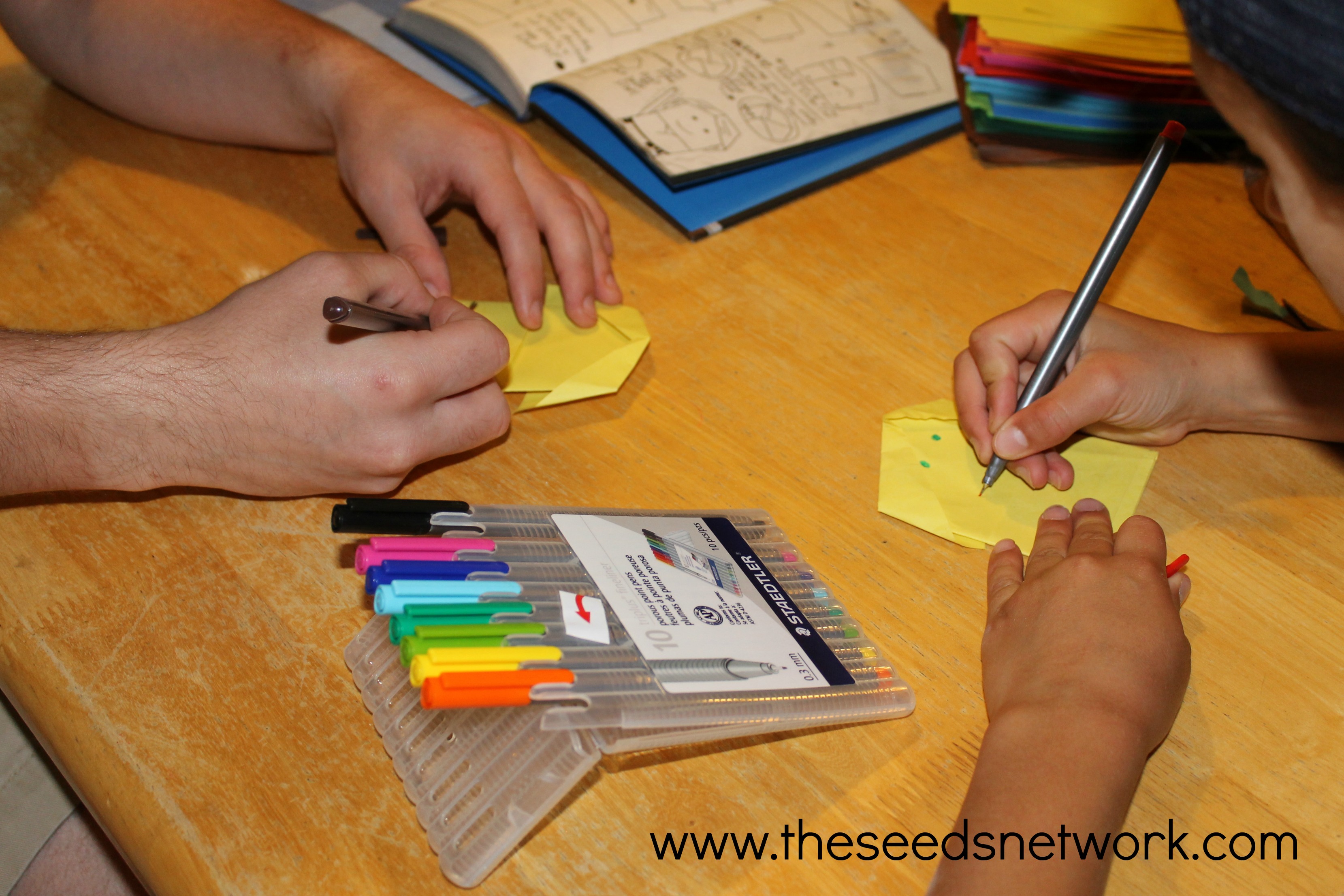
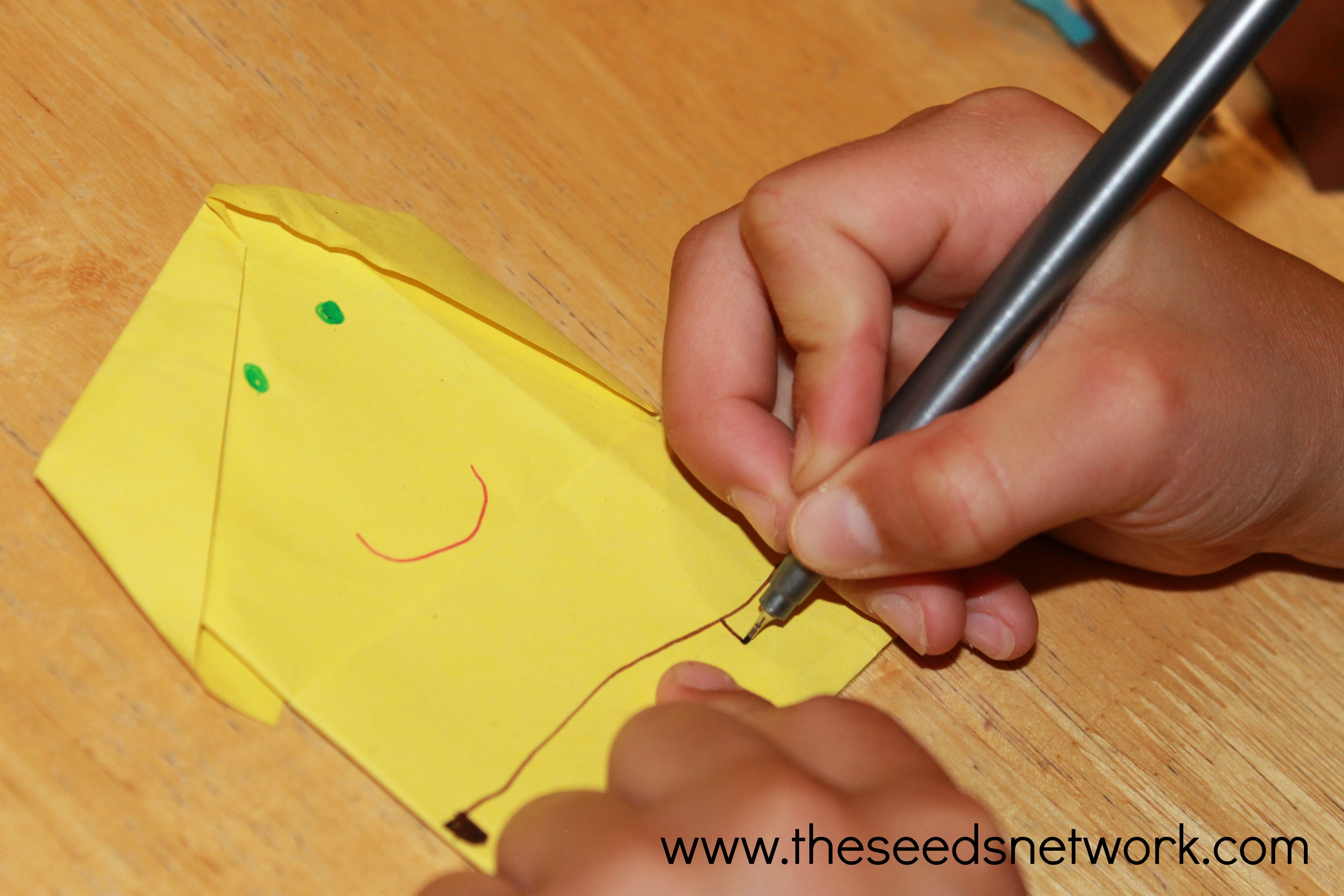
After all the folds were complete, then it was time to draw the face and embellish.

origami2


origami

The finished products!!

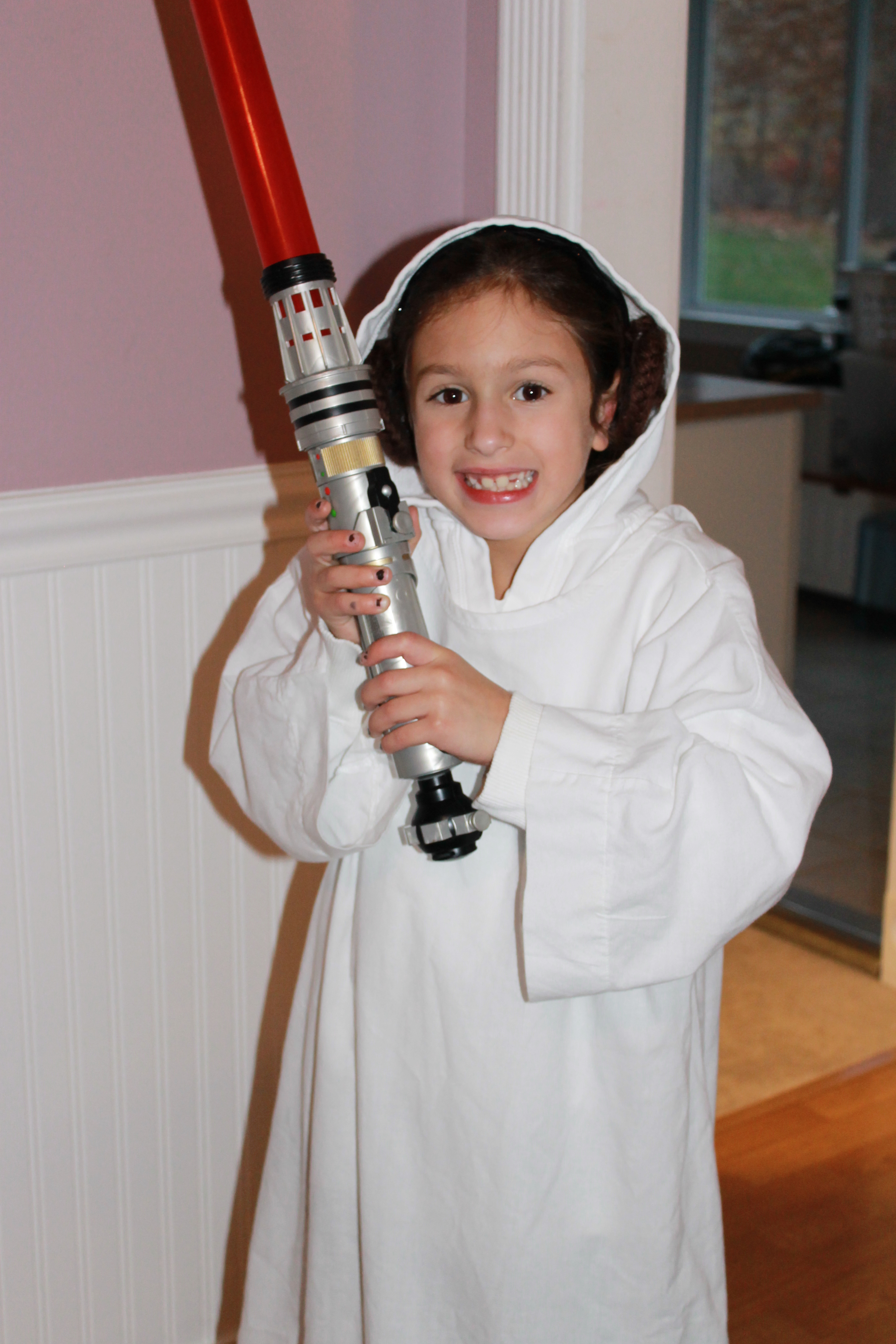
My daughter decided Luke needed a lightsaber, and used some of the origami paper to make him one.

Large Paper Light Saber

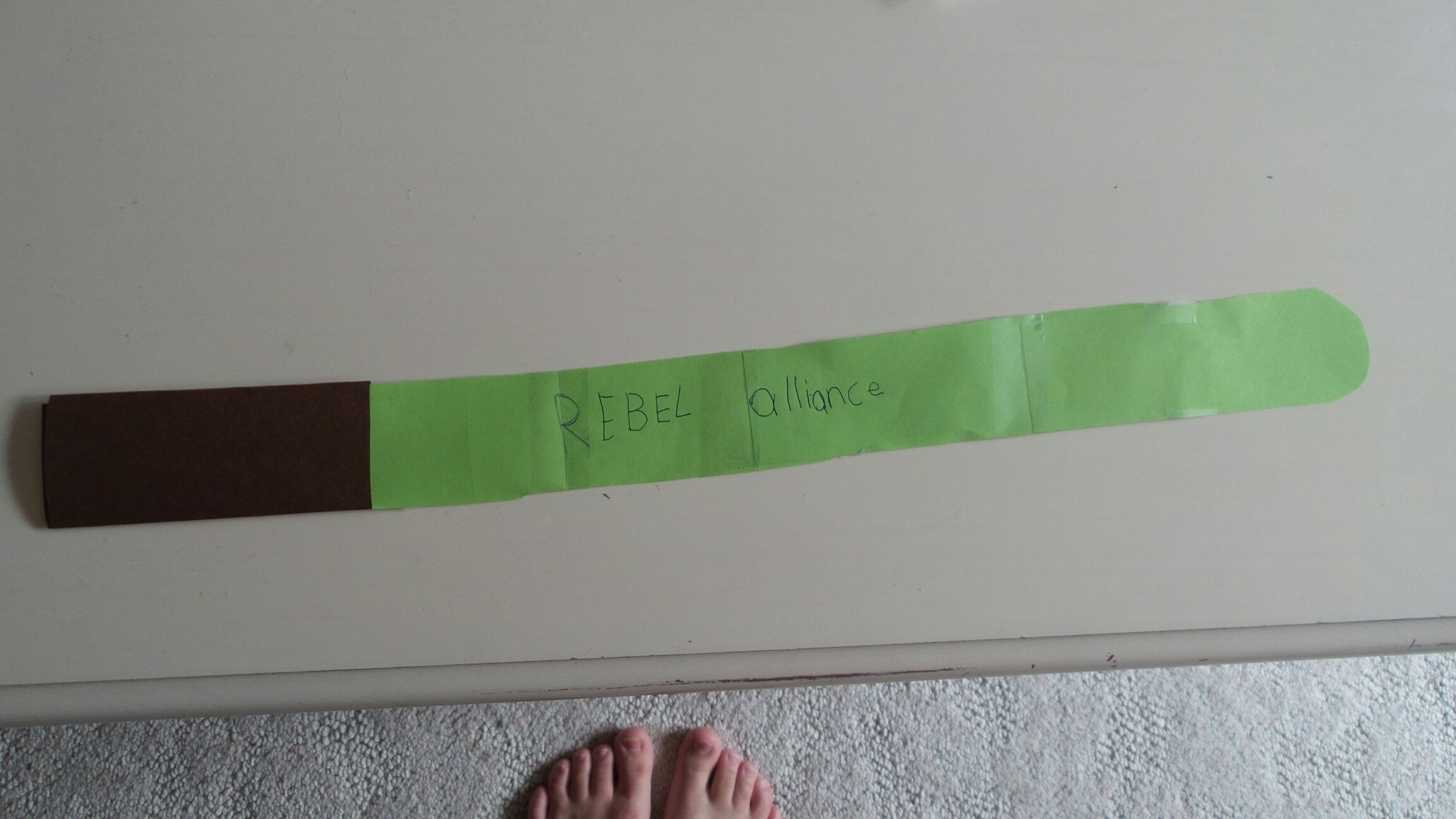
My oldest daughter read another chapter, and afterwards the girls decided to cut long, wide strips of the paper and taped them together to make a “Rebel Alliance” paper light saber.

20140709_131441

This made for a nice wall decoration!

What I liked most about this summer reading activity was that it was something that the older siblings could also help with, share in and enjoy!

Want MORE summer reading books & activities?

Check out the book and activities we packaged up for Natalie and her daughter at Planet Smarty Pants!

And I encourage you to also follow the Summer Book Exchange Pinterest Board!

IMG_7375


May the “Summer Reading Force” be with you!